Natural Farming Declared Essential for Vidarbha's Agricultural Future
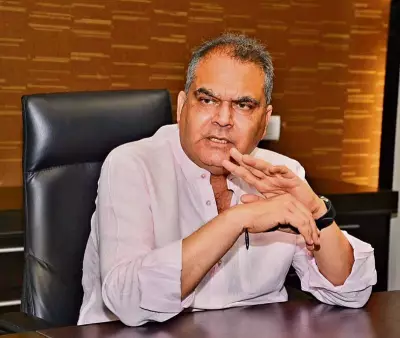
In a powerful address at the 40th convocation ceremony of Dr Panjabrao Deshmukh Krishi Vidyapeeth (PDKV) in Akola, Dr KB Kathiria, Vice-Chancellor of Anand Agricultural University, Gujarat, delivered a compelling message about the future of farming in Vidarbha. He stated unequivocally that natural farming has transitioned from being merely an alternative approach to becoming the only sustainable and environmentally friendly path forward for the region's agricultural community.
Addressing Critical Agricultural Challenges
Dr Kathiria highlighted the multiple pressures facing Vidarbha farmers, including climate change impacts, severe water scarcity, ongoing soil degradation, and escalating cultivation costs. He emphasized that Indian agriculture has maintained a centuries-old harmony with nature, and this traditional wisdom must guide modern practices. Farming systems built on soil health, biodiversity preservation, minimal external inputs, and ecological balance can achieve three critical objectives: ensuring sustainable farmer livelihoods, providing healthy food to consumers, and strengthening ecosystem resilience against environmental stresses.
Convocation Celebrates Academic Achievement
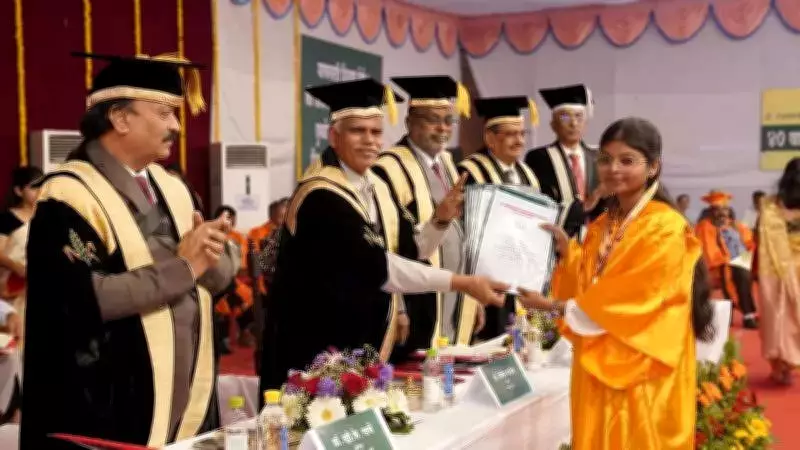
The ceremony marked a significant academic milestone with 2,936 students receiving degrees across various agricultural disciplines. This included 2,505 undergraduate candidates, 383 postgraduate scholars, and 48 doctoral researchers. Among these graduates, 1,770 undergraduates, 314 postgraduates, and 41 PhD scholars attended in person to receive their degrees, while remaining graduates will be honored at their respective colleges. The event also featured the presentation of gold and silver medals, special prizes to meritorious students, and recognition awards for outstanding teachers, researchers, and university staff members.

Four-Point Development Program Shows Results
Addressing the rain-dependent nature of Vidarbha agriculture, Dr Kathiria noted that farmer incomes remain particularly vulnerable to erratic rainfall and shifting climate patterns. In response, PDKV has implemented an innovative four-point development program across 11 adopted villages. This comprehensive initiative focuses on:
- Doubling crop productivity through modern agricultural technologies
- Reducing production costs by approximately 50%
- Promoting farm mechanization and micro-irrigation systems
- Developing complete value chains from production to market alongside integrated farming systems
The program has already demonstrated impressive results, achieving a 33% increase in farmer incomes over the past two years. These villages are now emerging as model examples of sustainable rural development that other regions might emulate.
Food Security and Processing Reforms Emphasized
Dr Kathiria stressed that ensuring safe, nutritious food for India's 1.4 billion population represents both a moral obligation and a national priority. He identified several persistent challenges affecting agricultural outcomes, including significant post-harvest losses, chemical residue concerns, inadequate storage infrastructure, and weak logistics systems. These issues not only reduce farmer incomes but also pose genuine risks to public health through food contamination and nutritional deficiencies.
Embracing Technological Innovation in Agriculture
The Vice-Chancellor urged graduating students and young agricultural professionals to leverage digital solutions, advanced cold-chain systems, packaging innovations, and modern processing technologies to elevate local agricultural products to global quality standards. He emphasized that contemporary agriculture extends far beyond traditional field operations, with emerging opportunities in agri-startups, precision farming, biological inputs, farm machinery development, supply-chain management, food branding, and agricultural financial technology services.

Dr Kathiria specifically highlighted the potential of artificial intelligence-based crop health monitoring systems, which can enable early detection of pests and diseases, minimize crop losses, and substantially reduce chemical pesticide usage. "AI is not a replacement for farmers, but a decision-support tool," he clarified, adding that when combined with traditional knowledge and sound public policy, technology can drive sustainable agricultural improvements without displacing human expertise.
A Call to Future Agricultural Leaders
In his concluding remarks, Dr Kathiria called upon graduating students to respect farmers, conserve natural resources, and uphold scientific thinking, ethical principles, compassion, and courage in their professional endeavors. He emphasized that India's future—whether in agricultural research, industry development, or public service—will fundamentally depend on the knowledge, wisdom, and commitment of its youth to sustainable agricultural practices.
The convocation ceremony was presided over by PDKV Vice-Chancellor Dr Sharad Gadakh and attended by vice-chancellors from other state agricultural universities, executive council members, former vice-chancellors, and senior university officials, marking a significant gathering of agricultural leadership in Maharashtra.