Parliamentary Committee Exposes PM-PRANAM Scheme as 'Non-Starter'
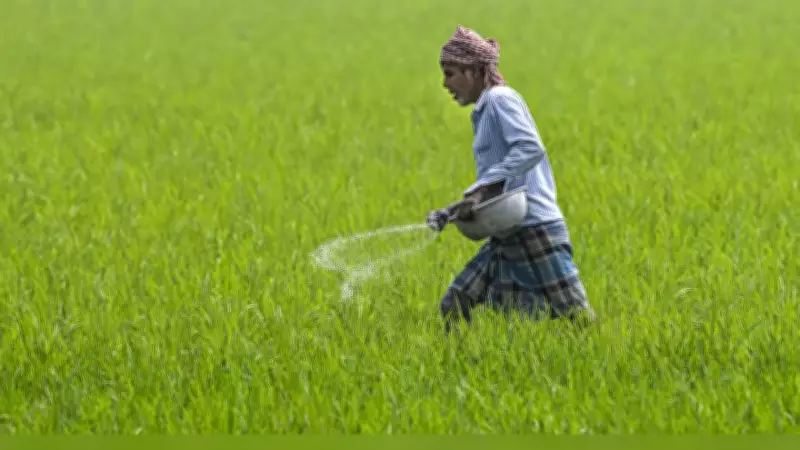
A damning report from a parliamentary committee has revealed that the government's ambitious PM-PRANAM scheme, aimed at reducing chemical fertiliser consumption, has remained a 'non-starter' since its launch over two-and-a-half years ago. Shockingly, the Centre has not released a single rupee as incentive to any state under the program, despite its critical environmental and fiscal goals.
Scheme Objectives and Current Status
Approved in June 2023, the PM-PRANAM (Promotion of Balanced and Sustainable Fertiliser Use) scheme was designed to promote eco-friendly agricultural practices and slash the subsidy outgo for chemical soil nutrients from FY24 to FY26. States were promised financial compensation equivalent to 50% of the fertiliser subsidy saved by reducing consumption of urea, DAP, NPK, and potash compared to the previous three years' average.
However, with the scheme entering its final year (2025-26), the window for meaningful impact is rapidly closing. The standing committee on fertiliser, in its report submitted to Parliament last week, strongly recommended an urgent review to simplify eligibility conditions, reduce bureaucratic hurdles, and expedite the disbursement of incentives to eligible states and union territories.

Alarming Eligibility and Consumption Data
The committee noted the fertiliser department's submission that only nine states and UTs qualified for incentives in 2023-24, achieving a total reduction of 1.5 million tonnes in chemical fertiliser consumption. In 2024-25, eligibility plummeted to just three states, with a meager reduction of 42,000 tonnes. The department indicated that assessment for the current financial year will occur after March 31, further delaying potential payouts.
The panel emphasized that the government must process and release due incentives without further delay to salvage the scheme's objectives.
Call for a Revamped Successor Scheme
Looking beyond the current scheme period, the committee advocated for a redesigned and more effective successor program. It urged consultation with states to 'genuinely incentivise' a sustainable transition toward organic, nano, and bio-fertilisers, moving away from excessive chemical use. The report stressed the need for an adequate budget aligned with the scale of this targeted agricultural transformation.
This recommendation comes against the backdrop of a projected fertiliser subsidy outgo of Rs 2.1 lakh crore for FY26, highlighting the fiscal urgency of reducing dependency on chemical inputs. The committee's findings underscore a critical gap between policy intent and implementation, calling for immediate action to revive India's sustainable farming initiatives.