Punjab's 2026-27 Budget Prioritizes Water Conservation Amid Agricultural Challenges
In a significant move to address Punjab's pressing water scarcity issues, the state government has announced the continuation of key financial incentives for water-efficient farming practices in its 2026-27 budget. Despite mixed success in previous initiatives, Finance Minister Harpal Singh Cheema presented measures aimed at reducing groundwater depletion and promoting sustainable agriculture.
Direct Seeded Rice Incentives and Performance
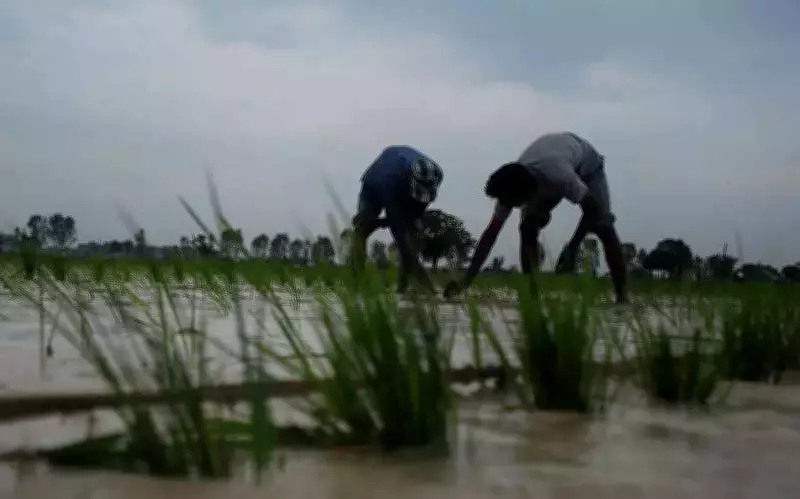
The budget maintains a cash incentive of Rs 1,500 per acre for farmers adopting Direct Seeded Rice (DSR), a method that significantly reduces water usage compared to traditional paddy transplantation. During the 2025-26 fiscal year, the state disbursed Rs 35 crore in assistance for this practice. For 2026-27, a provision of Rs 40 crore has been allocated to further encourage DSR adoption.
However, the state's performance in this area has fallen short of targets. In August 2025, the agriculture department reported that paddy was transplanted under DSR on 2.90 lakh acres, significantly below the 5 lakh acre goal. The government emphasizes that DSR not only conserves groundwater but also addresses labor shortages in the agricultural sector.

Kharif Maize Promotion in Six Districts
As part of efforts to diversify crops and reduce water-intensive paddy cultivation, Punjab is implementing a pilot project to promote kharif maize in six districts: Pathankot, Gurdaspur, Bathinda, Sangrur, Jalandhar, and Kapurthala. Farmers participating in this shift will receive an incentive of Rs 17,500 per hectare (equivalent to Rs 7,000 per acre). The budget earmarks Rs 15 crore for this initiative in 2026-27.
Notable Omission: Bt Cotton Seed Subsidy
In a surprising development, the 2026-27 budget makes no mention of continuing the subsidy on PAU-recommended Bt cotton hybrid seeds. During 2025-26, the state provided a 33% subsidy on these seeds, benefiting over 52,000 cotton farmers through direct transfers totaling Rs 11 crore. This subsidy reportedly contributed to a 19% increase in cotton acreage.
Finance Minister Cheema explained that since cotton planting typically begins in late April, and the government aims to increase cotton acreage in the coming financial year, no specific fund allocation was made for seed subsidies in this budget cycle.
Stubble Management Subsidies Continue
To combat the persistent issue of crop residue burning, the government will continue providing substantial subsidies for stubble management machinery. Panchayats will receive an 80% subsidy, while individual farmers are eligible for a 50% subsidy on equipment purchases. During 2025-26, Rs 402 crore was utilized for this purpose, and the budget proposes Rs 600 crore for 2026-27 to further support these efforts.
Overall Agricultural Allocation
The budget demonstrates a strong commitment to the agricultural sector with a total allocation of Rs 15,377 crore for Agriculture and Allied Sectors in 2026-27. This funding is intended to support targeted interventions in several key areas:
- Crop diversification initiatives
- Sustainability programs
- Market reforms
- Farmer welfare measures
These measures aim to strengthen the resilience and prosperity of Punjab's farming community while sustaining the state's vital contribution to national food production.
Despite challenges in achieving targets for water-efficient alternatives to paddy, Punjab's budget reflects a continued focus on addressing groundwater depletion through financial incentives and support for sustainable agricultural practices.