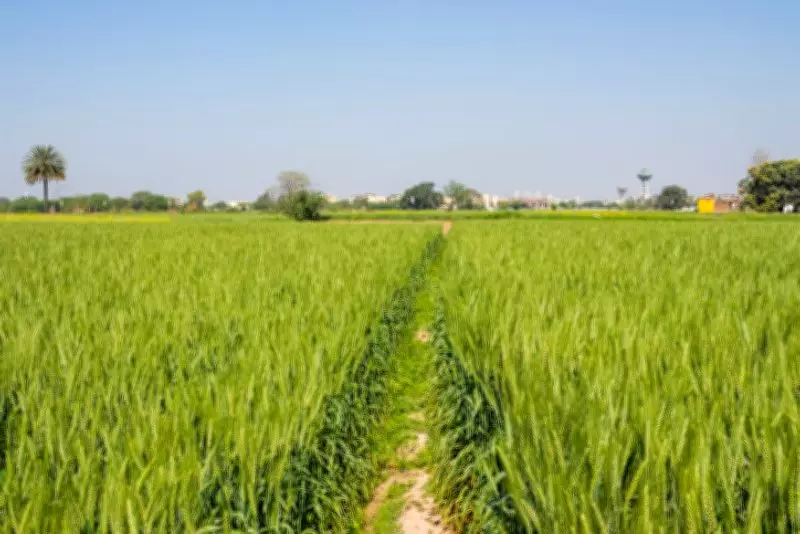
The Punjab government has rolled out a new cash support initiative to promote crop diversification among farmers in the state. Under this scheme, farmers who shift from traditional paddy cultivation to alternative crops such as maize, cotton, and pulses will receive direct financial assistance. The move is aimed at reducing the over-reliance on water-intensive paddy, which has led to a severe depletion of groundwater levels in the region.
Key Features of the Scheme
Farmers opting for diversification will be eligible for a cash incentive of up to INR 10,000 per acre. The scheme covers a range of alternative crops including maize, cotton, pulses, oilseeds, and horticultural crops. To avail the benefit, farmers must register with the agriculture department and ensure they cultivate the designated crops on their land. The government has set a target of bringing at least 2 lakh hectares under diversification in the current season.
Addressing Groundwater Crisis
Punjab has been facing a critical groundwater crisis due to decades of paddy-wheat monoculture. Paddy cultivation requires large amounts of water, and the state's water table has been falling at an alarming rate. The cash incentive is part of a broader strategy to encourage farmers to adopt less water-intensive crops. Agriculture experts have welcomed the move, stating that it could help in sustainable water management if implemented effectively.

Additional Support Measures
Along with the cash incentive, the government is also providing subsidized seeds, training programs, and market linkages for alternative crops. Farmers will be given priority access to farm machinery and equipment through custom hiring centers. The state has also tied up with private companies to ensure a minimum support price for crops like maize and cotton, reducing the risk for farmers.
Reactions from Farmers and Experts
Many farmer unions have expressed cautious optimism about the scheme. They note that while the cash incentive is attractive, the government must ensure timely payment and adequate infrastructure for alternative crops. Some farmers have pointed out that the lack of processing facilities for crops like maize and pulses could be a hurdle. Agricultural scientists suggest that the scheme should be part of a long-term policy that includes crop rotation and soil health management.
Implementation Challenges
One of the major challenges is convincing farmers to switch from paddy, which has assured procurement and minimum support price. The government is working on creating a robust ecosystem for alternative crops, including storage and marketing support. The success of the scheme will depend on how effectively the state can provide these facilities and ensure that farmers do not face losses.
The Punjab government has allocated INR 500 crore for the diversification scheme in the current fiscal year. Officials hope that the initiative will not only save groundwater but also improve soil health and increase farmers' incomes in the long run. The scheme is being closely monitored by the central government as a model for other states facing similar water stress.