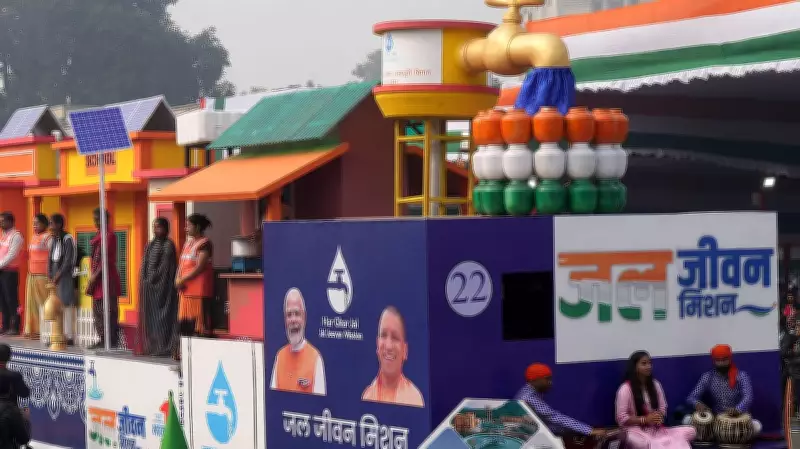
The Government of India announced that rural tap water coverage has reached nearly 82% under the Jal Jeevan Mission. According to official documents, the budgetary allocation for the mission has seen a massive increase of 488% between the financial years 2020-21 and 2026-27, reaching Rs 67,670 crore.
Key Highlights of the Jal Jeevan Mission
The Jal Jeevan Mission, launched in 2019, aims to provide functional household tap connections (FHTC) to every rural household in India. As of June 2026, nearly 82% of rural households have access to tap water, a significant leap from the baseline of about 17% in 2019. The mission has been a flagship program of the government, focusing on ensuring safe and adequate water for drinking, cooking, and other domestic needs.
Budgetary Growth and Implementation
The document reveals that the budget for the mission has grown from Rs 11,500 crore in 2020-21 to Rs 67,670 crore in 2026-27, marking a 488% increase. This enhanced funding has accelerated the pace of infrastructure development, including the installation of pipelines, overhead tanks, and water treatment plants. States like Gujarat, Goa, and Punjab have already achieved 100% coverage, while others are progressing rapidly.

Impact on Rural Communities
The mission has positively impacted millions of rural households, reducing the burden on women and girls who traditionally spent hours fetching water. Improved access to clean water has also contributed to better health outcomes, with a decline in waterborne diseases. The government has emphasized community participation through Village Water and Sanitation Committees (VWSCs) to ensure the sustainability of water supply systems.
Challenges and Future Plans
Despite the progress, challenges remain in remote and difficult terrains, such as hilly areas and desert regions. The government is focusing on leveraging technology, including IoT-based sensors for real-time monitoring of water quality and supply. The mission aims to achieve universal coverage by 2024, but with current trends, it is expected to be accomplished by 2027. The increased budget will support the remaining 18% of households and ensure long-term operation and maintenance of the infrastructure.
The Jal Jeevan Mission represents a transformative step towards water security in rural India, aligning with Sustainable Development Goal 6 (clean water and sanitation). The government continues to prioritize this mission as a cornerstone of its rural development agenda.