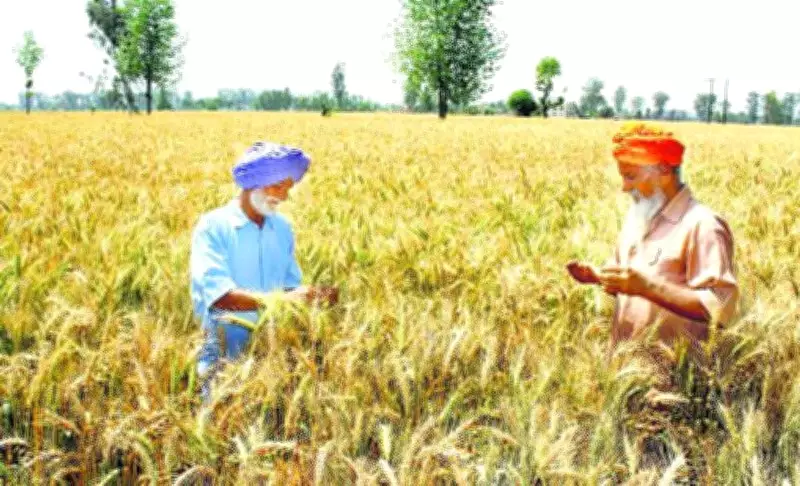
Seeds Bill 2025: A Final Assault on Indigenous Seeds in India
The proposed Seeds Bill 2025 has ignited widespread controversy across India, with many experts and activists labeling it as a decisive blow to the nation's rich heritage of indigenous seeds. This legislation, currently under parliamentary scrutiny, aims to overhaul the regulatory framework for seed certification and distribution, but critics contend it could severely undermine biodiversity and traditional farming practices.
Key Provisions and Their Implications
The bill introduces stringent registration requirements for all seeds, including those traditionally saved and exchanged by farmers for generations. Under the new rules, seeds must meet specific quality standards and be officially registered, which could marginalize non-commercial, locally adapted varieties. Proponents argue this will enhance seed quality and boost agricultural productivity, but opponents fear it will criminalize age-old practices of seed saving and sharing, effectively handing control to large agribusiness corporations.
Impact on Biodiversity: India is home to thousands of indigenous seed varieties, each adapted to local climates and conditions. The Seeds Bill 2025, by prioritizing registered and often genetically uniform seeds, risks eroding this genetic diversity. This could make crops more vulnerable to pests, diseases, and climate change, threatening long-term food security.

Farmer Sovereignty at Stake
Farmers' rights to save, use, and exchange seeds are enshrined in Indian law, but the new bill imposes restrictions that could curtail these freedoms. Critics argue that the legislation favors corporate seed producers, who dominate the market with patented hybrids and genetically modified organisms (GMOs). This shift may increase farmers' dependence on purchased seeds, raising costs and reducing their autonomy.
Environmental and Economic Concerns: The push for standardized seeds could lead to monoculture farming, depleting soil health and increasing reliance on chemical inputs. Economically, small and marginal farmers, who rely on indigenous seeds for their resilience and low cost, might face financial strain as they transition to more expensive registered varieties.
Global Context and Comparisons
Similar seed laws in other countries have often led to a decline in agricultural diversity and farmer independence. In India, where agriculture supports over half the population, the stakes are particularly high. The Seeds Bill 2025 aligns with global trends toward seed privatization, but it clashes with India's commitment to sustainable development and biodiversity conservation, as outlined in international agreements.
Call to Action: Activists and agricultural experts are urging policymakers to amend the bill to protect indigenous seeds and farmer rights. They propose measures such as exemptions for traditional varieties, support for community seed banks, and stronger provisions for benefit-sharing with local communities.
In conclusion, the Seeds Bill 2025 represents a pivotal moment for Indian agriculture. While it aims to modernize seed regulation, its potential to undermine indigenous seeds and farmer sovereignty cannot be ignored. A balanced approach that integrates innovation with conservation is essential to safeguard India's agricultural heritage and ensure food security for future generations.