Union Minister Shekhawat Clarifies Revenue Deficit Grant Was Always Temporary Mechanism
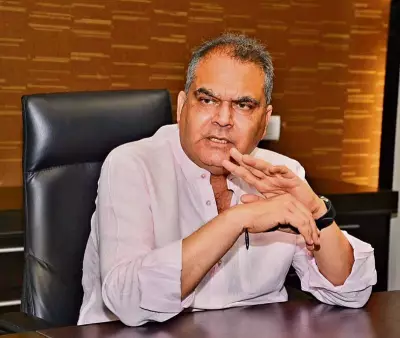
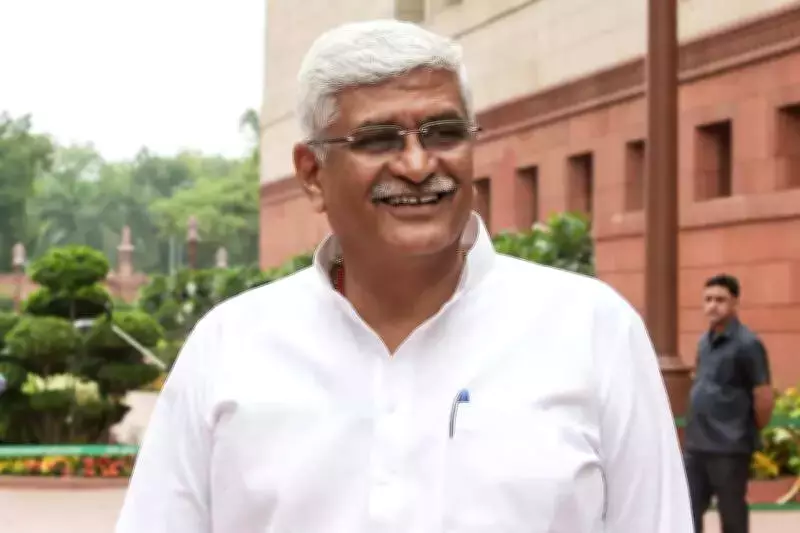
Union Minister for Culture and Tourism Gajendra Singh Shekhawat stated unequivocally on Sunday that the Revenue Deficit Grant (RDG) was conceived from its inception as a temporary and transitional support mechanism, never intended to become a permanent entitlement for states.
Historical Context and Fiscal Support During Crisis Periods
Addressing a press conference in Shimla, Shekhawat provided historical context, explaining that the RDG was first introduced based on recommendations from earlier Finance Commissions specifically to assist fiscally stressed states in managing short-term budgetary gaps.
The minister elaborated that successive Finance Commissions extended this support with cautionary notes attached, and during the critical period of the 15th Finance Commission, particularly amid the COVID-19 pandemic, RDG support was front-loaded at unprecedented levels to facilitate state recovery efforts.

Specific Focus on Himachal Pradesh's Fiscal Situation
Shekhawat emphasized that Himachal Pradesh has received significantly higher RDG support in recent years compared to earlier cycles, but with the clear understanding that states must strengthen their own revenue collection systems and adopt rigorous fiscal discipline moving forward.
The minister defined fiscal deficit as fundamentally the gap between revenue and expenditure, stressing that this challenge cannot be addressed through political blame-shifting but requires substantive structural financial reforms at the state level.
Improved Tax Devolution and Fiscal Management Opportunities
Shekhawat pointed to positive developments under the new Finance Commission formula, noting that tax devolution to states has increased structurally, with Himachal Pradesh's share specifically rising. With improved devolution and better fiscal management practices, states can effectively offset the gradual tapering of RDG support without compromising essential development expenditure.
The minister issued a caution regarding rising debt-to-GDP ratios, highlighting that Himachal Pradesh has crossed the concerning 40% threshold, which should serve as a clear signal for immediate corrective financial planning and debt management strategies.
Central Government Support for Himachal's Development
On Himachal Pradesh specifically, Shekhawat detailed the consistent support provided by the central government in tourism and infrastructure development sectors. He highlighted that under the Special Assistance for Capital Infrastructure scheme, Himachal Pradesh was recently approved for a long-term, 50-year interest-free loan for tourism infrastructure development, effectively providing grant-like financial support.
Furthermore, under various central schemes including Swadesh Darshan, PRASAD, and challenge-based destination development initiatives, Himachal Pradesh has received substantial funding and will continue to receive support against viable project proposals that demonstrate sound planning and implementation potential.
Enhanced Disaster Management Funding and Climate Resilience
Addressing disaster-related concerns, Shekhawat noted that the Union government has significantly enhanced State Disaster Response Fund (SDRF) and National Disaster Response Fund (NDRF) allocations over the past decade. Additionally, states have been granted flexibility to utilize these funds for preventive and mitigation measures, not just post-disaster relief operations.
The minister urged Himachal Pradesh to increase investment in preventive resilience infrastructure, particularly given the changing climate patterns that have increased vulnerability to natural disasters across the Himalayan region.
Trade Agreements and Protection of Domestic Interests
On the subject of India-US trade agreements and related farmer concerns, Shekhawat asserted that India has consistently protected the interests of farmers, dairy producers, and Micro, Small and Medium Enterprises (MSMEs) in all international negotiations.
He projected significant export opportunities in European Union and United States markets for multiple Indian sectors in coming years, including:

- Textiles and handicrafts
- Electronics and mobile manufacturing
- Consumer goods
- Agricultural products
Clarification on Apple Import Regulations
Shekhawat directly addressed concerns regarding apple imports, accusing the Congress party of spreading confusion on this issue. He clarified that imported apples cannot land in India below approximately Rs 100 retail-equivalent cost due to established minimum base pricing mechanisms.
The minister explained that this pricing structure includes a base price of about Rs 80 plus additional duties and charges ranging from Rs 20 to Rs 40, thereby creating effective safeguards for domestic apple growers against unfair international competition.
Shekhawat's comprehensive statements underscore the central government's position that while transitional support mechanisms like the Revenue Deficit Grant have served important purposes during specific periods, long-term fiscal health requires states to develop sustainable revenue systems and exercise disciplined financial management.