Vadodara's Electric Bus Era Begins With First Fleet Arrival
The long-anticipated electric bus service in Vadodara is finally becoming a reality, with the first batch of 42 electric buses scheduled to arrive later this month. This marks a significant milestone in the city's public transportation modernization efforts, as work on essential charging infrastructure for the new fleet is also approaching completion.
Government Approval and Implementation Timeline
The Union government has sanctioned 250 electric buses for the Vadodara Municipal Corporation (VMC) under the ambitious PM e-Bus Sewa scheme. The tender process for the initial 100 buses has been successfully concluded, with deliveries set to commence imminently. According to VMC executive engineer (mechanical) Dharmesh Rana, the buses will be introduced in carefully planned phases.
"We expect 50 or more buses will be delivered three months after the first lot arrives, bringing the total to 100 buses initially. The remaining 150 buses will follow in subsequent phases," Rana explained regarding the rollout strategy.

Charging Infrastructure Development
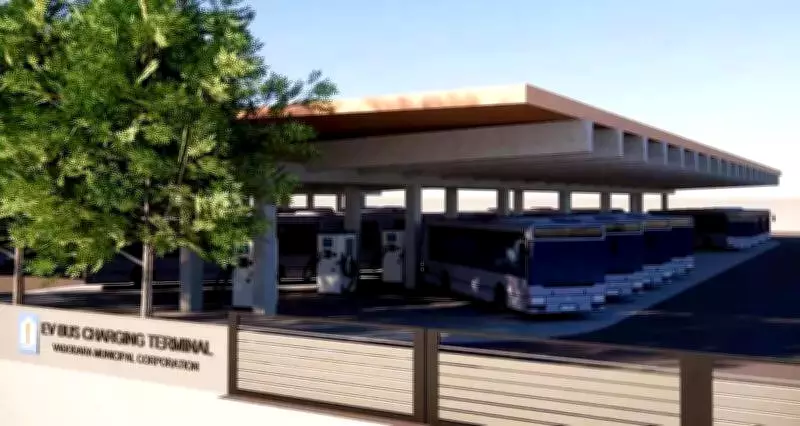
Three strategic locations have been identified for charging station development: Gotri, Sayajigunj, and Makarpura. Construction work has already commenced at both Gotri and Sayajigunj sites. The Sayajigunj facility represents a particularly innovative approach, as it will replace the existing city bus stand opposite the railway station with a modern charging station that will continue to function as a bus terminal.
The Gotri charging center is being designed as a passenger-friendly hub with additional amenities to enhance the commuter experience. These developments ensure the necessary infrastructure will be operational when the electric buses begin service.
Operational Economics and Funding Model
The operational cost structure has been carefully designed with shared financial responsibility. The contractor will operate the buses at a rate of Rs 65 per kilometer. This cost will be distributed among three entities: the state government will contribute Rs 22, the central government will provide Rs 30, and the VMC will cover the remaining Rs 13 per kilometer.
The municipal corporation plans to recover its share through innovative revenue streams including bus stand rentals, advertising opportunities, and other commercial initiatives. This sustainable funding model ensures the long-term viability of the electric bus service.
Transition From Existing CNG Fleet
The current CNG bus service, operated by a contractor with a fleet of approximately 150 buses (with around 130 operational daily), will be gradually phased out as the electric bus service expands. Interestingly, the current contractor has already requested termination of their agreement with VMC.
The corporation had originally signed a five-year contract with Vinayak Logistics in 2017, with provisions for a five-year extension. "In 2023, the VMC found the contract unviable and we were told our service would be terminated. However, after that we have been given extensions of three, four and 11 months," revealed Narendrasinh Rana, general manager for the contractor.
Future Expansion Plans
Looking beyond the city limits, VMC has ambitious plans to extend bus services to neighboring towns including Padra, Savli, Waghodiya Road, and Por once sufficient buses become available. This expansion would significantly benefit daily commuters traveling between Vadodara and these locations, where transportation is currently dominated by autorickshaws, vans, and state transport buses.
An official noted that this regional connectivity enhancement would provide more reliable, efficient, and environmentally friendly transportation options for residents of the broader Vadodara metropolitan area.
The launch of Vadodara's electric bus service represents a transformative moment for urban mobility in Gujarat, combining environmental sustainability with improved public transportation infrastructure and regional connectivity.