

Major Surrender of 130 Maoists in Hyderabad Marks Turning Point
In a landmark event for security and peace efforts in the region, 130 Maoist insurgents formally surrendered to authorities in Hyderabad, Telangana. The mass surrender ceremony, held under tight security, represents one of the largest such gatherings in recent years and signals a potential shift in the long-standing conflict between left-wing extremists and the state.
Chief Minister's Appeal for Peace and Rehabilitation
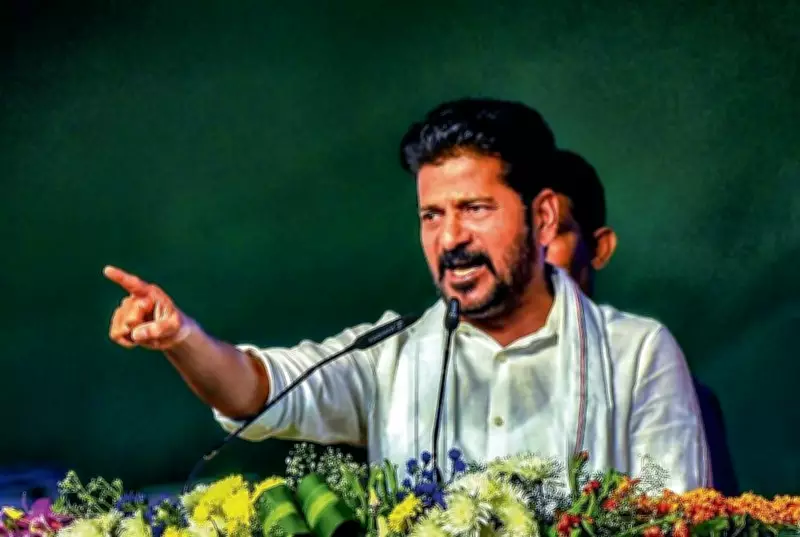
Telangana Chief Minister Revanth Reddy presided over the event, delivering a powerful address urging the remaining Maoist cadres to abandon violence and integrate into mainstream society. "This is a historic day for peace and development in our state," Reddy stated, emphasizing the government's commitment to providing rehabilitation and support for those who choose to surrender. He highlighted various state and central schemes aimed at facilitating their transition, including skill development programs, educational opportunities, and financial assistance.
The surrender is seen as a significant blow to Maoist activities in the area, which have been a persistent challenge for law enforcement agencies. Officials noted that many of those who surrendered were active in remote forested regions, involved in activities ranging from propaganda to armed confrontations. Their decision to lay down arms follows intensified counter-insurgency operations and community outreach initiatives by the police and administration.

Details of the Surrender and Government Response
The surrendered individuals included men and women from various age groups, with some having been part of the Maoist movement for decades. They handed over a cache of weapons, ammunition, and Maoist literature during the ceremony. In response, the government announced a comprehensive rehabilitation package, which includes:
- Monetary incentives and stipends for initial sustenance.
- Access to housing and land allocation under state welfare schemes.
- Vocational training to enable employment in sectors like agriculture, construction, and small-scale industries.
- Legal support to address any pending cases, with assurances of fair treatment.
Security analysts have pointed out that this surrender could weaken Maoist influence in Telangana and neighboring states, potentially reducing incidents of violence and improving governance in affected areas. The event underscores a growing trend of disillusionment within insurgent ranks, driven by factors such as improved policing, development projects in rural areas, and changing socio-economic dynamics.
Broader Implications for Insurgency and Peace Efforts
Chief Minister Reddy's call to the remaining Maoists to join the mainstream aligns with national policies aimed at addressing left-wing extremism through a combination of security measures and developmental approaches. He reiterated that the government's door is always open for dialogue and peaceful resolution, but warned that those who continue on the path of violence will face stringent action.
This development comes amid ongoing efforts by multiple state governments to curb Maoist activities, which have been linked to disruptions in infrastructure projects, attacks on security forces, and hindrances to rural development. The surrender in Hyderabad is expected to serve as a model for similar initiatives elsewhere, encouraging more insurgents to reconsider their allegiance and opt for a peaceful life.
As the surrendered Maoists begin their journey towards rehabilitation, the focus now shifts to ensuring their successful integration and monitoring the response from remaining factions. The event has been widely hailed as a positive step towards lasting peace and stability in the region.






