Major Indian Airports Grapple with 175 Flight Cancellations Amid Middle East Tensions
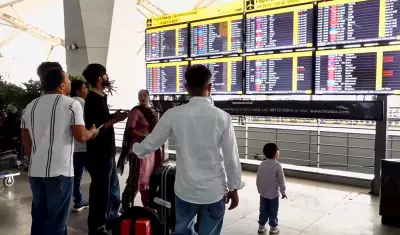
In a significant development impacting air travel, major airports in India—specifically Mumbai, Delhi, and Bangalore—have witnessed a total of 175 flight cancellations. This disruption is directly attributed to the escalating crisis in the Middle East, which has forced airlines to adjust their schedules and operations to ensure safety and compliance with international aviation protocols.
Impact on Key Aviation Hubs
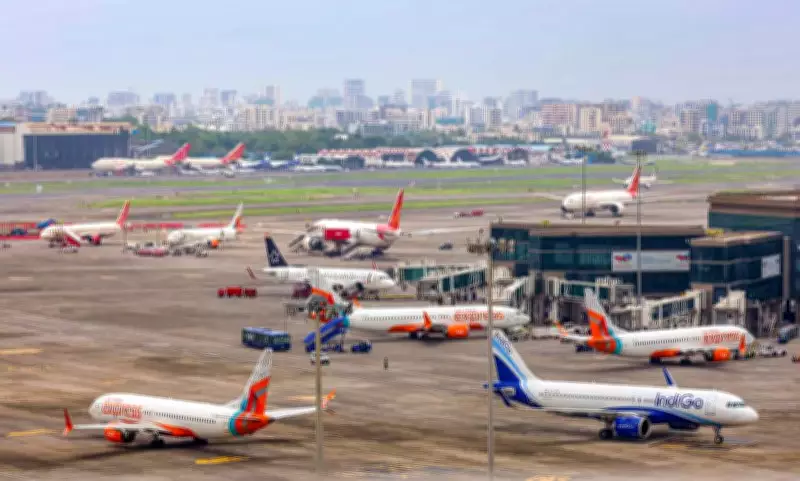
The cancellations have primarily affected three of India's busiest airports: Chhatrapati Shivaji Maharaj International Airport in Mumbai, Indira Gandhi International Airport in Delhi, and Kempegowda International Airport in Bangalore. These hubs, which collectively handle millions of passengers annually, are now facing operational challenges as airlines scramble to manage the fallout from the Middle East situation. Passengers have reported widespread delays, rescheduling issues, and last-minute notifications, leading to frustration and inconvenience.
Causes Linked to Middle East Crisis
The root cause of these cancellations lies in the ongoing geopolitical tensions in the Middle East. Key factors include:
- Airspace Restrictions: Several countries in the region have imposed airspace closures or heightened security measures, forcing airlines to reroute flights or cancel them altogether to avoid potential risks.
- Safety Concerns: With the crisis intensifying, airlines are prioritizing passenger and crew safety, opting to suspend services to and from affected areas until stability is restored.
- Operational Adjustments: Carriers are having to revise flight paths and schedules, which often results in cancellations due to logistical constraints and increased flight times.
This situation mirrors similar disruptions seen globally during past conflicts, highlighting how regional instability can have far-reaching effects on international aviation networks.
Passenger Inconvenience and Industry Response
Travelers have borne the brunt of these cancellations, with many facing:
- Last-minute changes to itineraries, causing missed connections and appointments.
- Difficulty in securing alternative flights, as demand surges on unaffected routes.
- Financial losses from non-refundable bookings and additional accommodation costs.
Airlines and airport authorities have responded by issuing advisories, offering refunds or rebooking options, and enhancing customer support services. However, the scale of cancellations has strained resources, leading to longer wait times and communication gaps.
Broader Implications for Indian Aviation
This incident underscores the vulnerability of India's aviation sector to external geopolitical events. With air travel being a critical component of the economy and daily life, such disruptions can:
- Impact tourism and business travel, potentially affecting economic growth.
- Highlight the need for robust contingency plans and better crisis management strategies within the industry.
- Prompt discussions on diversifying flight routes and enhancing regional diplomatic efforts to mitigate future risks.
As the Middle East crisis continues to evolve, stakeholders are closely monitoring the situation, hoping for a swift resolution to restore normalcy to air travel operations.