

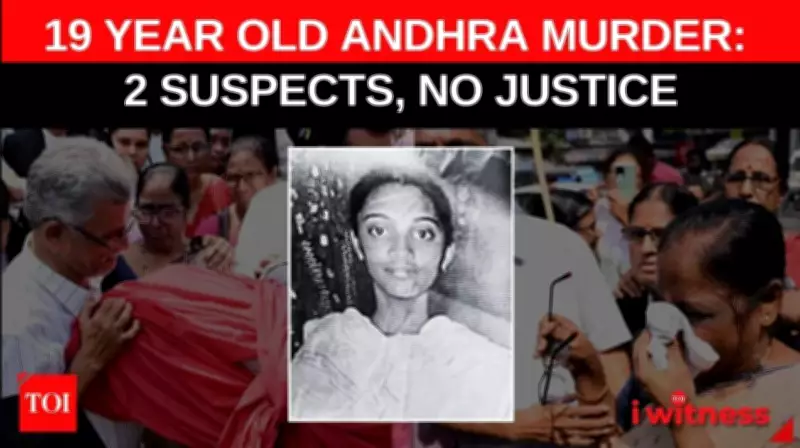
The Enduring Agony: A 19-Year Quest for Justice in Ayesha Meera's Murder
The brutal 2007 murder of 17-year-old Ayesha Meera in a Vijayawada hostel continues to cast a long, dark shadow over Andhra Pradesh, standing as one of the state's most haunting and unresolved criminal cases. For nearly two decades, this tragedy has not only devastated a family but also exposed significant flaws within the investigative and judicial systems.
A Timeline of Investigations and Legal Battles
The case began with the shocking discovery of Ayesha's body in her hostel room, sparking immediate public outrage and demands for swift justice. Initial investigations led to arrests and a subsequent conviction, offering a glimmer of hope to her grieving parents. However, this hope was short-lived when the High Court later overturned the conviction, citing insufficient evidence and procedural irregularities.
In 2018, recognizing the complexities and controversies surrounding the case, authorities transferred the investigation to the Central Bureau of Investigation (CBI), India's premier federal agency. This move was seen as a critical step toward uncovering the truth, given the CBI's reputation for handling high-profile and challenging cases.

The Final Blow: Case Closure Without Resolution
Despite years of meticulous scrutiny and renewed efforts by the CBI, the case was officially closed in 2026 without identifying the real perpetrator. This decision marked a devastating conclusion to a 19-year ordeal for Ayesha's parents, who have endured an emotional rollercoaster of arrests, trials, and acquittals, only to be left without answers or closure.
The closure has ignited widespread criticism and raised troubling questions about the effectiveness of the investigation. Key issues highlighted include potential mishandling of evidence, lapses in procedural protocols, and systemic failures that may have obstructed justice from being served.
Broader Implications and Unanswered Questions
This case transcends the personal tragedy of one family, serving as a stark reminder of the challenges within India's criminal justice framework. It underscores how prolonged legal processes and investigative shortcomings can erode public trust and deny victims the justice they deserve.
As Ayesha's parents continue their struggle, their plight resonates with countless others who face similar battles in unsolved cases across the country. The legacy of this murder is not just a story of loss but a call to action for reforms in how such sensitive investigations are conducted and pursued to their logical conclusion.






