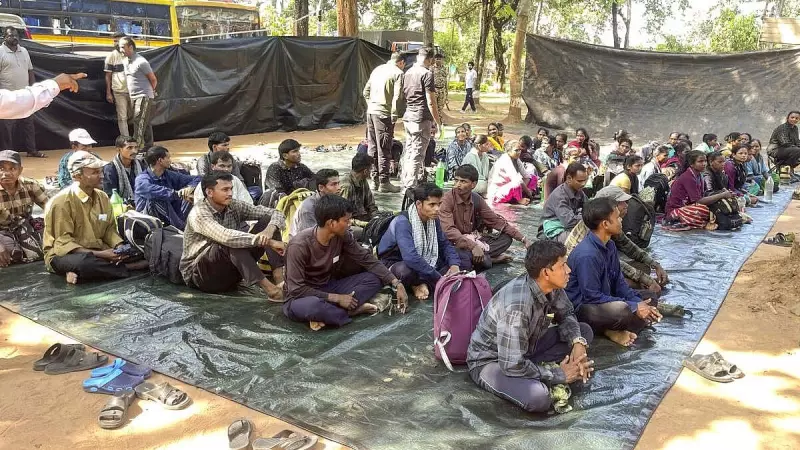
In a major setback for left-wing extremism in the region, twenty-six Naxalites have laid down their arms and surrendered before authorities in Chhattisgarh's restive Sukma district. The collective surrender, which includes two female cadres, marks one of the most significant such events in recent months and is being hailed as a success for the state's security and rehabilitation policies.
A Collective Decision to Renounce Violence
The surrender ceremony took place on Tuesday, where the former insurgents presented themselves before senior police officials and a representative of the district administration. The group comprised individuals with varying ranks and responsibilities within the Maoist organizational structure, indicating a broad-based disillusionment. The cadres turned in a cache of weapons and explosive materials, symbolizing their complete break from the banned outfit.
Officials stated that the individuals who surrendered were active in different areas under the Konta police station limits, a region known for Maoist activity. Their decision to join the mainstream is attributed to a combination of sustained counter-insurgency pressure, effective confidence-building measures by security forces, and the attractive rehabilitation package offered by the state government.

Reasons Behind the Surrender: Disillusionment and Outreach
During preliminary interactions, the surrendered Naxalites expressed growing dissatisfaction with the Maoist leadership and ideology. Many cited the hollow promises of the insurgent leaders and the harsh, unsustainable life in the forests as primary reasons for leaving. They also acknowledged the impact of continuous security operations that have disrupted their logistical networks and hideouts.
A key factor was the persuasive outreach by the police, which highlighted the benefits of the government's surrender and rehabilitation policy. Under this policy, eligible individuals receive financial assistance, vocational training, and support for housing and education to facilitate their integration into society. The promise of a peaceful and secure future for themselves and their families proved to be a powerful motivator.
Impact and Future Implications for Security
This mass surrender is expected to deal a psychological and operational blow to the Maoist cadre in the Bastar region, particularly in Sukma. It not only reduces the number of active fighters but also provides security forces with valuable intelligence about the group's tactics, hideouts, and future plans. The event is likely to encourage other disillusioned cadres to consider a similar path back to normal life.
Security analysts view this development as a testament to the multi-pronged strategy employed in the region, which combines firm counter-insurgency action with persuasive welfare measures. The local police have intensified their community engagement programs, aiming to wean away support for the extremists and address the developmental grievances that often fuel such movements.
The state government has reiterated its commitment to the rehabilitation policy, assuring that all surrendered individuals will receive the full benefits as per the established norms. The successful integration of these 26 individuals will be closely watched, as it could serve as a model for further peace-building efforts in one of India's most affected left-wing extremism zones.