Tragic Drowning of Toddler in Greater Noida Highlights Safety Neglect
A devastating incident unfolded in Greater Noida as a three-year-old boy lost his life after drowning in a flooded pit near a temple in Dalelgarh village. This marks the second such drowning tragedy in the district within just one month, following the death of software engineer Yuvraj Mehta on January 16, whose car crashed into a waterlogged construction site in Noida's Sector 150.
Details of the Heartbreaking Incident
The young victim, identified as Devansh, had traveled with his parents Anil and Anjali from Sikandrabad to attend a community feast at the Baleshwar Baba Samadhi temple complex. The event was organized by his maternal grandfather. On the morning of February 14, around 11 am, the child went missing from the temple premises.
When his parents couldn't locate him, family members and villagers launched an extensive search. Some suspected he might have wandered toward a nearby waterlogged area. Tragically, Devansh was later found in the pit and rushed to a nearby hospital, where doctors declared him dead. Police indicated the boy likely slipped into the water-filled pit while playing. No formal complaint was filed with authorities.
Official Response and Disaster Relief
SDM (Sadar) Ashutosh Gupta confirmed the incident has been classified as a state disaster case. Under disaster relief norms, steps have been initiated to grant Rs 4 lakh in financial assistance to the bereaved family. This official recognition underscores the severity of the situation and the need for systemic intervention.
Residents' Warnings Ignored by Authorities
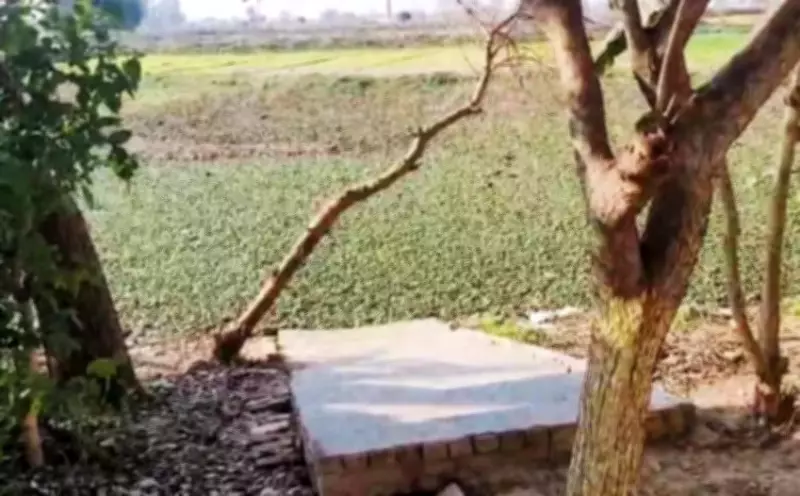
Local residents revealed they had previously alerted the Greater Noida Industrial Development Authority about the dangerous waterlogged site. In a letter dated February 4, they highlighted the hazards, but no corrective action was taken. Amit Bhati, secretary of the Gram Dalelgarh Vikas Samiti and a Dalelgarh resident, described the 160-square-meter pit as collecting village sewage for an extended period, covered in hyacinth.
Bhati emphasized that the Samiti had written to the Greater Noida Authority CEO earlier this month, warning that the pit often overflowed and left the Dalelgarh-Vilaspur road waterlogged. The letter, sent days after the January 16 drowning, specifically cautioned that children, senior citizens, and motorcyclists risked falling into the water, especially after sundown and during monsoon season.
"They were alerted but took no corrective action, leading to the incident now," Bhati stated, blaming the Greater Noida Authority and zilla parishad for their laxity.
Administrative Actions and Conflicting Accounts
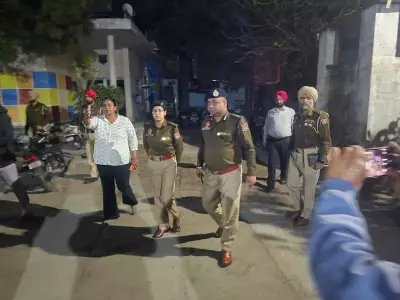
In response, DM Medha Roopam wrote to the Greater Noida Authority CEO on Monday, urging immediate safety measures. This followed a district administration team's visit to the site on Sunday, where they noted the waterlogged land's proximity to the religious site along the Dalelgarh-Vilaspur road, where community feasts are frequently held.
Citing the flooded land's closeness to the temple, Roopam stressed the necessity of installing fencing between the waterlogged stretch and the religious complex to prevent further accidents.
However, Greater Noida Authority general manager AK Singh offered a different perspective. He told TOI that their inspection revealed the land was registered under khasra number 377 and jointly owned by three villagers. The adjacent temple stands on separate private plots, khasra numbers 381 and 382.
Singh explained that officials found steps leading from the temple into the waterlogged pit, constructed by the temple management. "The priest told us the pit was being used by visitors. During Saturday's programme, the child left the temple, reached the pit through these steps and drowned," he said.
The official added that villagers had not informed the administration or GNIDA about the event. "Had we been informed, we would have made arrangements to ensure safety," Singh asserted.
Regarding the Vikas Samiti's letter, Singh claimed it highlighted waterlogged pits and potholes along village roads, not specifically the waterlogged land near the temple. He noted that remedial work on roadside spots is currently underway.
A Pattern of Neglect and Urgent Calls for Safety
This tragic event underscores a disturbing pattern of safety neglect in the region. With no depth indicators, barricades, or warning signs, the stretch remains perilous for locals. The back-to-back drowning incidents within a month have raised serious questions about accountability and proactive measures by authorities.
As the community mourns the loss of young Devansh, there is a pressing need for comprehensive safety audits, timely responses to citizen alerts, and robust infrastructure to prevent such avoidable tragedies in the future.