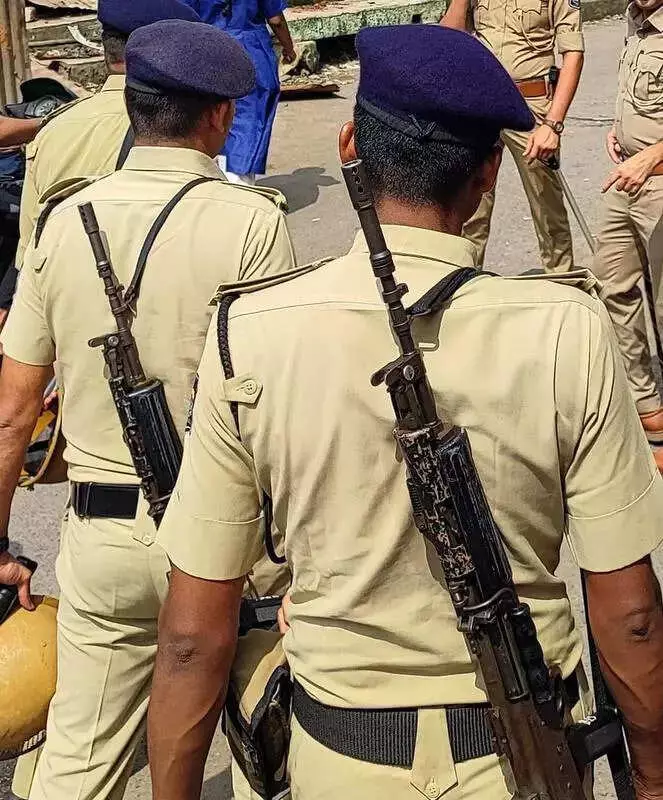
In a major pre-emptive strike ahead of the civic elections, the Pimpri Chinchwad police have expelled 32 known criminals from the district. This decisive action targets individuals with records of serious criminal activities, including the supply of narcotics and illicit liquor.
Police Zones Coordinate Externment Orders
The externment drive was executed systematically across the city's police zones. Deputy Commissioner of Police (Zone I) Sandip Atole issued orders against eight criminals on record. Similarly, DCP (Zone II) Vishal Gaikwad directed the externment of another eight individuals. The most significant action came from DCP (Zone III) Maruti Jagtap, who signed orders for 16 criminals.
These individuals have now been legally barred from entering the district for periods ranging from six months to two years. This measure is a key tool used by police to disrupt criminal networks and prevent known offenders from influencing the local atmosphere, especially during sensitive times like elections.

Wider Preventive Crackdown Underway
The externment of the 32 is just one part of a larger preventive campaign. Police authorities have confirmed that proactive actions are being initiated against other persons involved in criminal undertakings. An officer from the Pimpri Chinchwad police revealed that the force is monitoring a much larger group.
"At present, over 300 criminals are on the radar of the police. We are keeping watch on their activities," the officer stated. This indicates that the recent externments may be followed by more legal actions as the police work to ensure law and order in the run-up to the polls.
Election Season Security Tightened
The timing of this crackdown is crucial, set against the backdrop of impending civic elections. Such elections often see attempts by anti-social elements to intimidate voters, influence outcomes, or create unrest. By removing known criminals from the area, the police aim to foster a secure environment conducive to free and fair voting.
The focus on those involved in the drug and liquor trade is particularly significant, as these activities are frequently linked to funding criminal operations and corrupting the electoral process. The coordinated effort across all police zones demonstrates a unified strategy to tackle this threat head-on.