Over 8,600 Complaints Filed Against Supreme Court and High Court Judges Since 2016
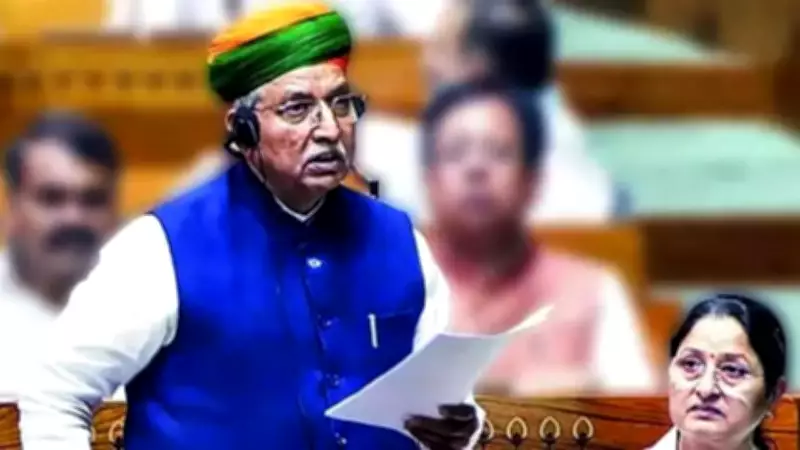
Union Law Minister Arjun Ram Meghwal informed Parliament on Friday that a total of 8,630 complaints have been received by the Chief Justice of India against sitting judges of the Supreme Court and High Courts since 2016. The data, shared by the apex court with the law ministry, covers the period from 2016 to 2025.
Sharp Rise in Complaints in Recent Years
The frequency of these complaints has seen a significant increase in recent times. Notably, 50% of all such grievances were received in the last four years alone, between 2022 and 2025. This trend highlights a growing scrutiny of the judiciary's conduct and accountability mechanisms.
In-House Procedure for Handling Complaints
According to the established "in-house procedure" of the Supreme Court, the Chief Justice of India is competent to receive complaints against judges of the Supreme Court and chief justices of High Courts. Similarly, chief justices of High Courts are authorized to handle complaints against the conduct of High Court judges. The law minister emphasized that complaints received by the government are also forwarded to the CJI or the concerned chief justices for further action.

Meghwal stated in a written response to a question in the Lok Sabha, "Independence of judiciary is enshrined in the Constitution. The complaints received against judges and chief justices of the High Courts are handled by the judiciary through an 'in-house mechanism.'"
Origin and Framework of the In-House Mechanism
The "in-house procedure" originates from two resolutions adopted by the Supreme Court in 1997. These resolutions provided for "the Restatement of Values of Judicial Life," laying down specific judicial standards and principles to be observed by judges of the apex court and High Courts. The procedure includes provisions for taking suitable remedial measures against judges who fail to adhere to these universally accepted values.
Government's Role and Public Grievance Portal
In addition to the judiciary's internal mechanisms, the government also receives complaints through its centralized public grievance redress and monitoring system. This online platform allows citizens to file grievances against any public authority related to service delivery. The portal is linked to all ministries and departments of the central and state governments, ensuring a streamlined process for addressing public concerns.
The revelation of these figures underscores the ongoing efforts to maintain transparency and accountability within India's judicial system, while upholding its constitutional independence.