Bondage Survivor Appa Rao Faces Bureaucratic Wall After 17-Year Ordeal
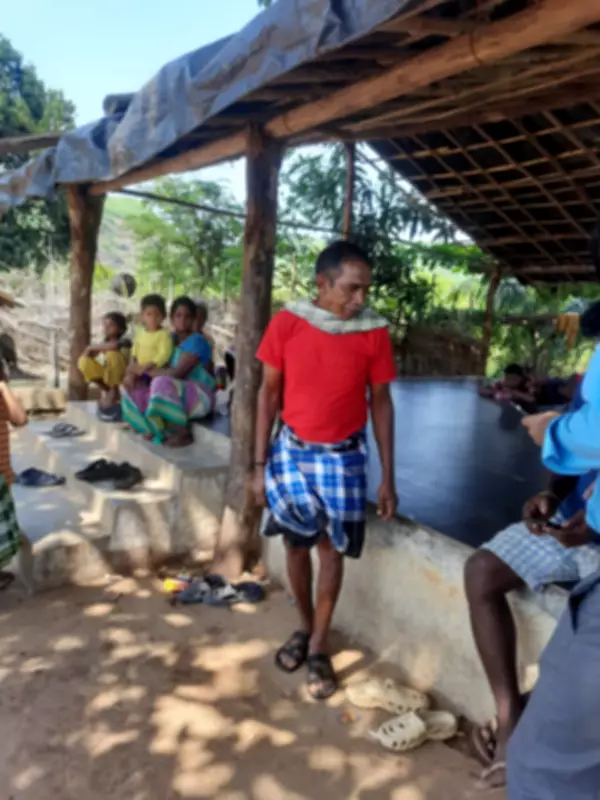
Seventeen years after being trapped in modern-day slavery, Appa Rao finally returned to his family in March last year, only to encounter a new form of confinement: bureaucratic red tape. Despite being officially sanctioned for rehabilitation assistance, the 60-year-old has not received a single rupee due to a critical discrepancy between his Aadhaar card and bank records.
The Name Discrepancy That Blocked Financial Relief
While his official release certificate and bank account documents identify him as "Appa Rao Kissan", his Aadhaar card bears the name "Apparao Kondagorri". This administrative mismatch has effectively locked him out of accessing the rehabilitation funds totaling Rs 2.3 lakh that are rightfully his.
"I did not receive any money from the government," says Appa Rao, who was reunited with his only daughter and grandchildren after his rescue. "Though I am overjoyed to be back with my family, I never imagined that a simple clerical error would delay the compensation meant to help me rebuild my life."

Aadhaar Application Struggles and Official Inconsistencies
The journey to obtain an Aadhaar card itself was fraught with difficulties. "After a lot of struggle, we managed to get the Aadhaar card on the fourth attempt, as the first three applications were rejected," explains his son-in-law Chandu. He notes that Appa Rao had no government-issued identity document until he finally secured the Aadhaar card, which carries the surname 'Kondagorri'.
Chandu highlights the frustrating paradox: "Before getting the Aadhaar, officials insisted on an ID proof, and now they are refusing to process the rehabilitation amount because the Aadhaar name does not match the bank account opened in Sivaganga, Tamil Nadu."
Substantial Rehabilitation Package Held in Limbo
The Sivaganga district administration had sanctioned a substantial rehabilitation package for Appa Rao, including Rs 2 lakh (with Rs 1 lakh from the collector's special fund) in addition to the initial rehabilitation amount of Rs 30,000. However, this financial lifeline remains inaccessible due to the name mismatch.
A member of the rescue team that discovered Appa Rao on January 31, 2025, explains: "We also informed the district administration and labour department officials in Parvathipuram Manyam about the discrepancy in his name. They assured us they would look into it." This rescue operation paved the way for his eventual freedom after 17 years in bondage.
Complex Rescue Operation and Ongoing Resolution Efforts
At the time of his rescue, Appa Rao could barely recall details about his family, repeatedly mentioning only "Parvathipuram". Since he was speaking Telugu, the labour department, with support from collector Asha Ajith, contacted their counterparts in Andhra Pradesh to trace his family—a process that required 42 days of coordinated effort across state lines.
An official involved in the case reveals the current approach to resolving the impasse: "We are trying to get a bona fide certificate from the Parvathipuram Manyam district collector to help Appa Rao operate his bank account and access the sanctioned funds." This certificate would serve as official verification to bridge the gap between his different identity documents.
The case underscores the challenges that survivors of bonded labour face even after their physical liberation, as bureaucratic hurdles can delay or deny the financial assistance crucial for their rehabilitation and reintegration into society.