Ahmedabad Police Chief Advocates for Listening and Fairness in Policing During Chharanagar Visit
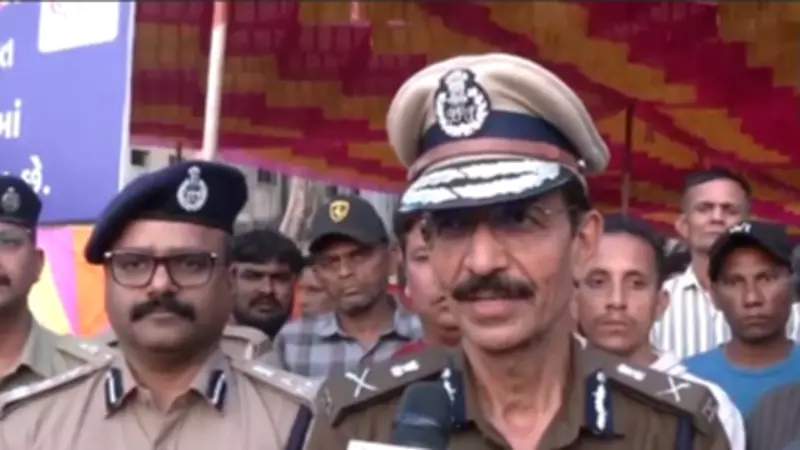
In a significant move to bridge the gap between law enforcement and marginalized communities, Ahmedabad Police Commissioner G S Malik visited the Vimukti Reform Centre in Chharanagar on Tuesday. The locality is home to the Chharas, a denotified tribe, and the visit underscored a renewed commitment to policing rooted in fairness, accountability, and active listening.
Emphasizing Dignity and Listening in Police Interactions
Commissioner Malik articulated a clear vision for transforming police-community relations. "If anyone comes to a police station, the first instruction is to listen to the victim. Seat them comfortably, offer water or tea, and hear them fully before anything else," he stated during an interaction with residents and youths. This approach is part of the Gujarat Home Department's Suraksha Setu project, which aims to ensure that access to the police system begins with dignity and respect.
Addressing concerns about the naming of individuals in First Information Reports (FIRs), Malik emphasized the importance of corrective mechanisms. "If someone is not involved, remove the name. Sometimes allegations start and it becomes difficult, but the effort is always that justice should be done," he explained, highlighting the need for fact-based investigations over assumptions.

Education as a Catalyst for Change
The role of education in driving societal transformation was a recurring theme throughout the visit. Public prosecutor R C Kodekar, a member of the Chhara community, pointed to the tangible outcomes of educational initiatives. "This school is proof of what education can do. Today, there are 300 advocates, 10 doctors, many engineers and graduates who have emerged from this place," he noted, underscoring how education has altered Chharanagar's trajectory.
Kodekar also reflected on the historical mistrust between denotified communities and the police, stating that long-held perceptions are beginning to shift. "We were made to believe that the police were our biggest enemy. That thinking stopped us from moving forward. But when you understand the system, you realise the police mechanism works to protect society," he said. Citing Dr B R Ambedkar, he added, "Education is the weapon. Education is your identity. Never underestimate it."
Addressing Stereotyping and Discrimination
During an open dialogue, residents raised concerns about stereotyping and everyday discrimination. Filmmaker Kushal shared a personal experience while seeking police permission for a short film. "Instead of asking about the project, I was asked to identify suspects from my own community. When someone wants to do something different, authorities should help… Not make them question themselves," he recounted.
In response, Commissioner Malik reiterated the importance of fact-based policing. "If there is no involvement, there should be no harassment. Investigation must be based on facts, not assumptions," he asserted, reinforcing the commitment to fairness.
Sustained Engagement Over Symbolic Gestures
Deputy Commissioner of Police Atul Kumar Bansal, under whose jurisdiction Chharanagar falls, emphasized that the positive changes in the area are the result of sustained engagement rather than isolated interventions. "This did not happen because of one visit. Officers at every level were involved, and the effort was continuous," he explained, highlighting the importance of consistency in reform efforts.
The visit also featured cultural expressions, with children from the community staging a short play written and performed in their own language. Theatre artist Dakshin Bajrange, associated with the initiative, noted, "This script is by the children. They see what happens in Chharanagar and other communities. If a society wants to stay alive, its language must stay alive." Parents were actively involved in the process, fostering a collaborative environment for change.

Foundations of Reform: Education and Institutions
Several speakers traced the reform efforts back to a small community library established over two decades ago. "This library has been running for 25 years. Rain or cold, it has never closed for a single day," claimed a community member, adding that many children from the locality spend their evenings there studying. This continuity in access to education and institutions was highlighted as crucial for lasting reform.
As the visit concluded with a walkthrough of the Centre documenting the community's past, present initiatives, and future plans, the focus remained on the idea of continuity rather than symbolism. Summing up the day's emphasis, Kodekar stated, "When children grow up seeing education, dialogue and institutions as part of their everyday life, that itself becomes the foundation of reform."
The event underscored a collective commitment to building trust and fostering positive change through consistent engagement, education, and fair policing practices in Ahmedabad.