

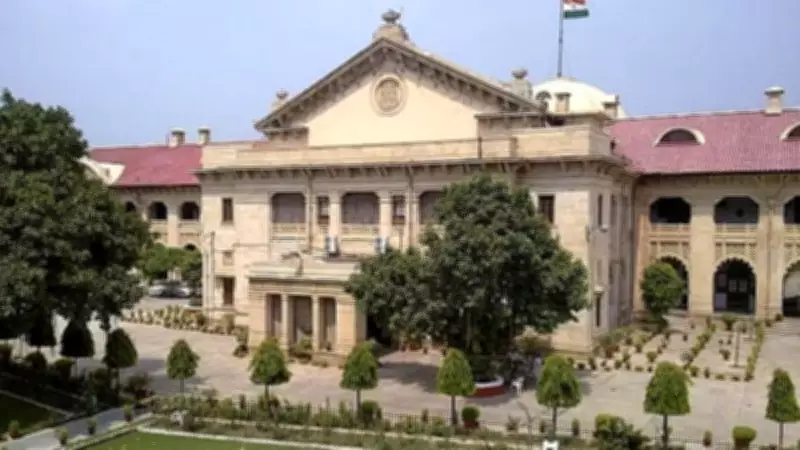
Allahabad High Court Denies Relief to Nine Accused in 1984 Anti-Sikh Riots Case
The Allahabad High Court has delivered a significant ruling by refusing to grant relief to nine individuals accused of involvement in the 1984 anti-Sikh riots in Kanpur. In a strongly worded judgment, the court described the mass violence that erupted following the assassination of former Prime Minister Indira Gandhi as a "genocide" and a "crime against humanity". This landmark decision underscores the judiciary's commitment to addressing historical atrocities with the gravity they deserve.
Court Rejects Grounds for Quashing Proceedings
The court firmly dismissed arguments put forth by the accused seeking to quash the legal proceedings against them. It held that delays in recording witness statements and the non-availability of original police records cannot serve as valid grounds to halt the judicial process. This stance reinforces the principle that procedural lapses should not impede justice in cases of such severe human rights violations.
The judgment emphasized that the nature of the crimes—characterized as genocide and crimes against humanity—demands thorough investigation and prosecution, regardless of time elapsed or documentation issues. The court's ruling aims to ensure that accountability is pursued diligently, sending a clear message about the importance of upholding justice for victims of communal violence.

Background of the 1984 Anti-Sikh Riots
The 1984 anti-Sikh riots were a series of violent pogroms targeting Sikhs across India, primarily in Delhi and other cities like Kanpur, after the assassination of Indira Gandhi by her Sikh bodyguards on October 31, 1984. The riots resulted in the deaths of thousands of Sikhs, widespread destruction of property, and deep-seated trauma within the community.
Over the decades, numerous cases have been filed, but many have faced challenges due to delayed investigations, lost evidence, and witness intimidation. The Allahabad High Court's recent decision is part of ongoing efforts to address these historical injustices and provide closure to victims and their families.
Implications of the Ruling
This ruling has several key implications:
- Legal Precedent: It sets a precedent for handling similar cases involving delayed justice and missing records, emphasizing that such factors should not derail prosecutions for heinous crimes.
- Victim Support: The decision is seen as a victory for victims and human rights advocates who have long campaigned for accountability in the 1984 riots.
- Judicial Accountability: It highlights the role of the judiciary in confronting past atrocities and ensuring that perpetrators are held responsible, even decades later.
The court's characterization of the events as genocide and crimes against humanity aligns with international legal standards, potentially influencing how such cases are viewed and prosecuted in the future. This judgment is expected to bolster other pending cases related to the 1984 riots and similar incidents of communal violence.
As the legal proceedings continue, this ruling marks a crucial step toward justice and reconciliation for the Sikh community affected by the tragic events of 1984.






