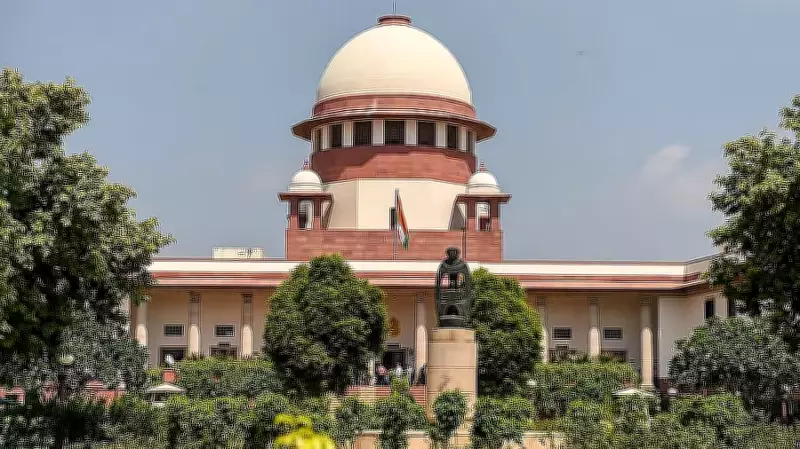
Senior advocate Ajit Kumar Sinha, serving as the amicus curiae in a case concerning unauthorised constructions in Delhi, has urgently appealed to the Supreme Court to issue directions to the Municipal Corporation of Delhi (MCD). The plea follows the tragic collapse of a building in South Delhi's Saidulajab area, which has raised serious concerns about the enforcement of building regulations in the national capital.
Status Report Filed
Sinha submitted a detailed status report on June 4 through his counsel, Advocate Govind Jee. The report underscores the need for immediate judicial intervention to prevent further such incidents. It highlights the rampant unauthorised construction activities in various parts of Delhi, particularly in areas where the MCD has failed to take adequate action.
Building Collapse in Saidulajab
The recent building collapse in Saidulajab, which resulted in casualties and injuries, has brought the issue to the forefront. The amicus curiae has pointed out that this incident is not an isolated one but part of a larger pattern of negligence and non-compliance with building bylaws. The report calls for a comprehensive action plan to identify and demolish illegal structures across the city.

Urgent Intervention Sought
In his submission, Sinha urged the Supreme Court to direct the MCD to take stringent measures against unauthorised constructions. He also recommended the formation of a special task force to monitor compliance and ensure timely action. The amicus curiae emphasised that the court's directions are essential to uphold the rule of law and protect the safety of residents.
Background of the Case
The Supreme Court has been hearing a public interest litigation (PIL) on the issue of unauthorised constructions in Delhi. The court had previously appointed Ajit Kumar Sinha as the amicus curiae to assist in the matter. The status report is part of ongoing efforts to address the systemic failures in urban planning and enforcement.
The MCD, on its part, has faced criticism for its inability to curb illegal building activities. The corporation has often cited resource constraints and legal hurdles as reasons for its inaction. However, the amicus curiae has argued that these challenges can be overcome with a robust monitoring mechanism and stricter penalties for violators.
Next Steps
The Supreme Court is expected to consider the status report and may issue interim directions in the coming weeks. The amicus curiae has also suggested that the court could seek a response from the Delhi government and other relevant authorities to ensure a coordinated approach. The outcome of this case could have far-reaching implications for urban governance in Delhi and other cities facing similar issues.
As the matter progresses, all eyes will be on the Supreme Court's response to the amicus curiae's recommendations. The tragic building collapse has once again highlighted the urgent need for effective regulation of construction activities in the capital.