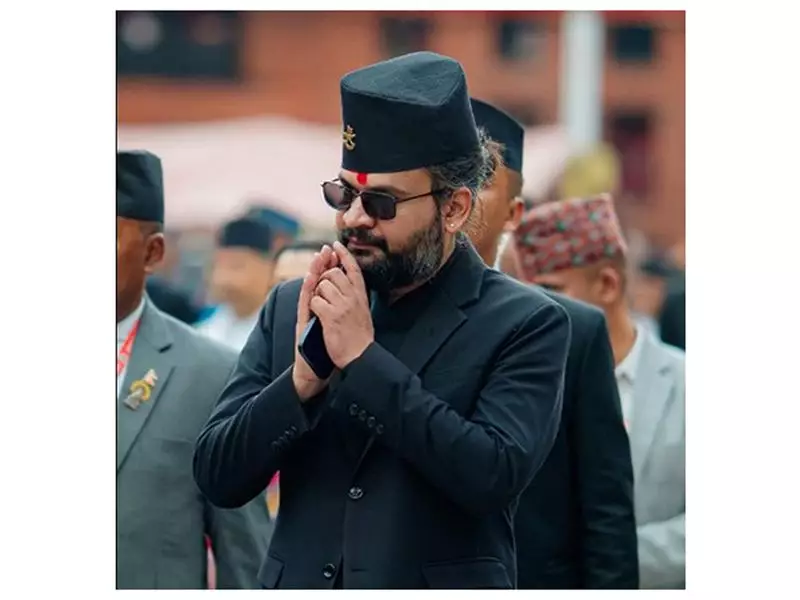
In a significant development that could reshape Nepal's political landscape, the Rastriya Swatantra Party (RSP) and the independent Mayor of Kathmandu, Balendra Shah (Balen), have entered into a crucial agreement. The deal paves the way for Mayor Balen Shah to be presented as the next Prime Ministerial candidate, marking a bold move ahead of potential government formation talks.
The Crucial Agreement and Its Implications
The agreement was finalized after intense discussions between RSP President Rabi Lamichhane and Mayor Balen Shah. According to sources, the pact was struck with the primary objective of presenting Balen Shah as a consensus candidate for the Prime Minister's position. This strategic alliance brings together the populist appeal of the independent mayor with the structured political platform of the RSP, a party that has been seeking a stronger foothold in national governance.
This move is seen as a direct challenge to the established political parties in Nepal and indicates a growing trend of non-traditional political figures gaining central stage. The collaboration suggests a shared vision between Shah and the RSP to address key national issues, leveraging Shah's massive popularity in the capital to garner wider national support.

Balen Shah's Meteoric Rise and Political Capital
Balenendra Shah, popularly known as Balen, stormed into political prominence by winning the Kathmandu mayoral election as an independent candidate. His victory was largely attributed to a groundswell of support from the youth and urban electorate disillusioned with conventional party politics. His focus on tangible civic issues, direct communication with citizens, and a reputation for being action-oriented have built him a formidable political brand in a short span.
His potential candidacy for Prime Minister capitalizes on this anti-establishment sentiment. The RSP, led by Rabi Lamichhane, itself represents a newer political force aiming to break the monopoly of older parties. By aligning with Balen, the RSP instantly acquires a charismatic face with a proven electoral record, potentially widening its appeal across various demographics.
Next Steps and Political Calculus
The immediate next step, as per the agreement, is the formal presentation of Balen Shah as the Prime Ministerial candidate. This development comes at a time when Nepal's Parliament continues to grapple with forming a stable government. The alliance will now need to rally support from other political parties and independent lawmakers to secure the necessary numbers for a majority.
The political calculus behind this deal is clear. It aims to consolidate the vote of citizens seeking change and good governance. However, the path to the Prime Minister's office is fraught with challenges, including navigating the complex coalition dynamics of Nepal's federal parliament. The success of this venture will depend on the duo's ability to negotiate with other political blocs and present a unified, compelling agenda for the nation.
Observers note that this pact signals a potential realignment in Nepal's politics, where performance and public perception are becoming as valuable as traditional party machinery. Whether this alliance can translate Balen Shah's municipal success into a national mandate remains the pivotal question for Nepal's immediate political future.