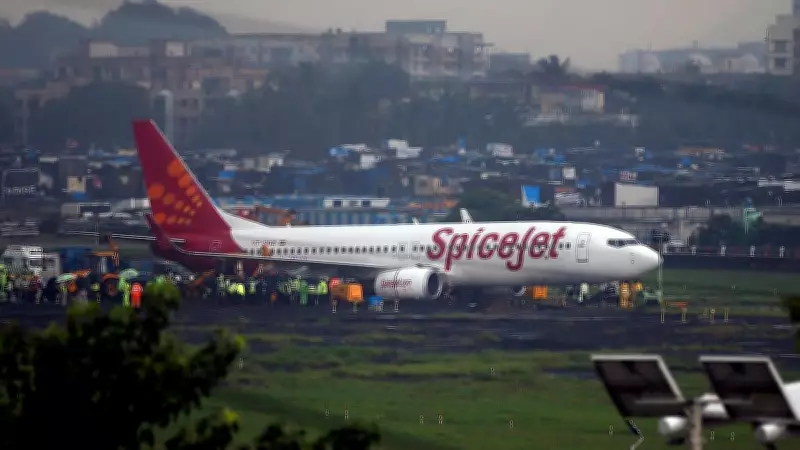
Bangladesh Imposes Airspace Ban on SpiceJet Over Unpaid Navigation Dues
In a significant development affecting regional aviation, the government of Bangladesh has officially barred Indian low-cost carrier SpiceJet from utilizing its sovereign airspace. This decisive action stems from unresolved financial obligations related to navigation and overflight charges that have accumulated over time.
Official Communication and Immediate Impact
The ban was formally communicated to SpiceJet's operational management, effectively grounding any of the airline's aircraft that require transit through Bangladeshi airspace. This move disrupts key flight routes, particularly those connecting northeastern India with Southeast Asian destinations, potentially leading to longer flight times, increased fuel costs, and operational headaches for the airline.
The core issue revolves around unpaid navigation service charges, which are fees levied by countries for the use of their air traffic control and airspace management services. These dues are a standard part of international aviation but have become a point of contention in this bilateral dispute.
SpiceJet's Response and Ongoing Dialogue
When contacted for clarification, a SpiceJet spokesperson addressed the situation on Thursday, February 19, 2026. The representative emphasized that the airline is actively engaged in resolving the matter.
"We are in regular and constructive dialogue with the relevant authorities in Bangladesh," the spokesperson stated. "Our discussions cover various operational and procedural matters, including the navigation-related charges in question. We are committed to working towards an early and amicable resolution to restore normal flight operations through their airspace."
This statement indicates that while the ban is in effect, negotiations are underway behind the scenes. The airline's approach suggests a preference for diplomatic and financial settlement rather than a prolonged legal or political standoff.
Broader Implications for Aviation and Bilateral Relations
This incident highlights several critical aspects of international air travel:
- Financial Compliance: It underscores the importance of airlines adhering to international financial regulations and settling dues promptly to avoid operational disruptions.
- Regional Connectivity: The ban could impact travel and trade between India and Bangladesh, as well as affect passengers relying on efficient air routes.
- Bilateral Relations: While primarily a commercial dispute, such issues can occasionally influence broader diplomatic ties between neighboring countries.
Aviation experts note that while airspace bans over unpaid charges are not uncommon globally, they are typically resolved quickly through payment or negotiation to minimize disruption. The duration of this ban will depend on the speed and outcome of the ongoing talks between SpiceJet and Bangladeshi authorities.
As of the latest update, no specific timeline for resolution has been provided by either party. The aviation community and affected travelers will be closely monitoring developments, hoping for a swift settlement that allows SpiceJet to resume normal operations through Bangladeshi airspace without further delay.