A senior representative from a key minority rights body in Bangladesh has issued a stark warning, stating that religious minorities in the country are not safe and face a "highly dismal" security environment. The alarming assessment highlights growing concerns over the protection of non-Muslim communities.
Council Leader Voices Grave Concerns
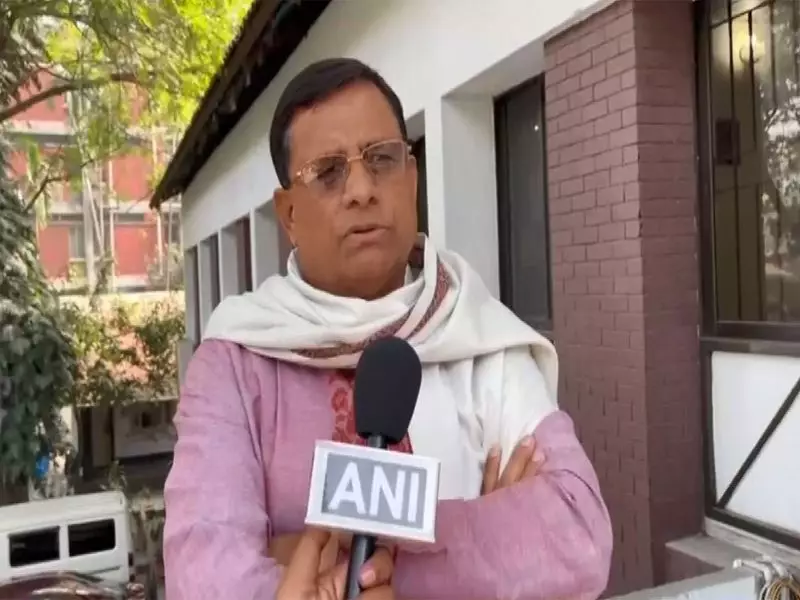
Rana Dasgupta, who serves as the general secretary of the Bangladesh Hindu Buddhist Christian Unity Council, made these grave remarks during a recent interaction. He emphasized that the overall security situation for minority groups across Bangladesh has deteriorated significantly. Dasgupta pointed to a persistent climate of fear and vulnerability that affects Hindus, Buddhists, and Christians alike.
The council leader specifically cited the period surrounding the national election on January 7, 2024, as a time of heightened tension and risk. He indicated that minority communities felt particularly exposed during this politically charged time, with incidents of intimidation and violence often going unchecked.

Escalating Incidents and Inadequate Protection
Dasgupta detailed a troubling pattern of events that contribute to the precarious situation. These include land grabbing, vandalism of places of worship, and physical assaults targeting minority individuals. He argued that such acts are frequently underreported or not properly investigated by authorities, creating a sense of impunity for perpetrators.
A major point of contention raised was the perceived failure of law enforcement agencies to provide adequate protection. Dasgupta suggested that local police and administration sometimes fail to act decisively to prevent attacks or to pursue justice after they occur. This alleged inaction, he stated, erodes trust in state institutions meant to safeguard all citizens.
The council has been actively documenting these issues, noting that despite constitutional guarantees of equality, the ground reality for minorities remains fraught with danger and discrimination. The sense of insecurity is reported to be widespread, affecting both rural and urban areas.
Calls for Action and International Scrutiny
The public statement from the Unity Council's general secretary is seen as a direct appeal for urgent governmental intervention. The council is calling for stronger legal enforcement, swift prosecution of hate crimes, and concrete measures to ensure the safety and property rights of minority communities.
This warning also brings Bangladesh's human rights record under renewed international scrutiny. Neighboring countries and global human rights organizations have previously expressed concern about the treatment of minorities in Bangladesh. Dasgupta's comments are likely to amplify these concerns, putting pressure on the Sheikh Hasina-led government to address the allegations.
The situation underscores a critical challenge for Bangladesh, a nation that has historically celebrated its pluralistic identity. The testimony from a leading minority advocacy group paints a picture that contrasts sharply with official assurances of communal harmony and equal rights for all religious groups.