Bangladeshi Migrant Secures UK Asylum as Court Blocks Deportation Over 20-Year Sentence
A Bangladeshi migrant has triumphed in a legal battle to remain in Britain after a court decisively ruled that he cannot be deported. The Upper Tribunal determined that returning him to Bangladesh would expose him to a 20-year prison sentence on explosives charges, which the court found to be false and politically motivated.
False Charges and Political Targeting
The man, identified in court documents as MM, was granted asylum after successfully arguing that the charges against him in Bangladesh were fabricated. He asserted that he had been targeted by the previous Awami League government due to his affiliations with an opposing political group. According to reports from the Daily Mail, MM described himself as a "political leader" of Islami Chhatra Shibir, the student wing of the Islamist Jamaat-e-Islami party.
He provided court documents that showed he had been convicted in absentia in 2015 while he was in Cyprus and sentenced to 20 years in prison. These documents were verified as genuine by the tribunal. Notably, seven other men—Ahsan Habib, Mostafa Kamal, Mehedi Hasan, Rabiul Islam, Monowar Hossain, Jamirul Islam, and Moynul Islam—were previously convicted and received the same sentence, highlighting a pattern of similar cases.

Legal Proceedings and Home Office Arguments
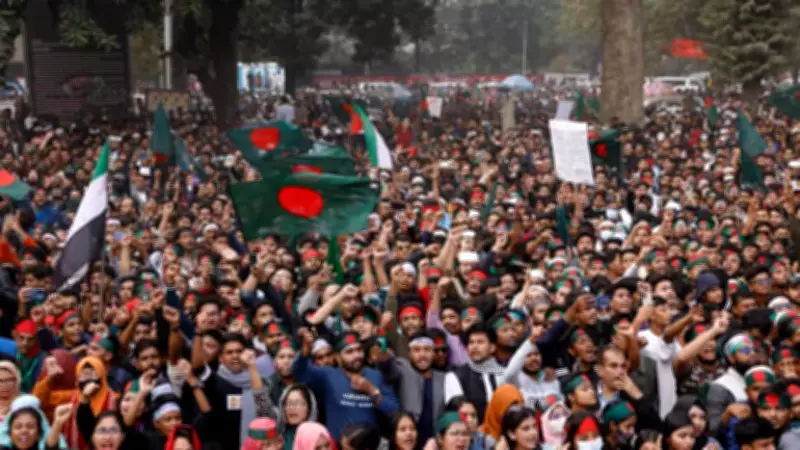
The Home Office acknowledged that the bomb charges were likely bogus but contended that MM could safely return to Bangladesh because the political landscape had shifted. Specifically, they pointed to the removal of Sheikh Hasina and the Awami League from power in August 2024, following months of student-led protests that escalated into a nationwide uprising. Hasina resigned and fled to India, with a United Nations report indicating that up to 1,400 people were killed during the unrest, most shot by security forces.
However, Upper Tribunal Judge Madeleine Reeds rejected this argument. She emphasized that the Awami League had not been fully ousted from power and still retained supporters within government offices and law enforcement agencies. Judge Reeds referenced reports indicating that Bangladesh remains unstable, with instances of innocent individuals being arrested as authorities review cases believed to be politically motivated.
Court's Ruling and Conclusion
In her ruling, Judge Reeds stated: "[It was] confirmed that the migrant's case relied upon the preserved finding that there were genuinely issued court documents demonstrating that he had been convicted and sentenced to 20 years imprisonment and that there were two further outstanding arrest warrants." She added that the Home Office's approach was "difficult to follow" given the acknowledgment that the documents were genuine but politically motivated and false.
Judge Reeds concluded: "I therefore conclude that there is a reasonable likelihood on these particular facts of the migrant being detained for what both parties accept are politically motivated charges and conviction and which are not legitimate and do not reflect any wrongdoing by him." She further noted that despite the change in regime, the conviction remains, and the lengthy sentence poses a real risk that he would not be released on bail.
The tribunal ultimately allowed MM's appeal, ensuring his continued stay in the UK. This case underscores the complexities of asylum claims involving political persecution and the judicial scrutiny required to assess risks in volatile political environments.