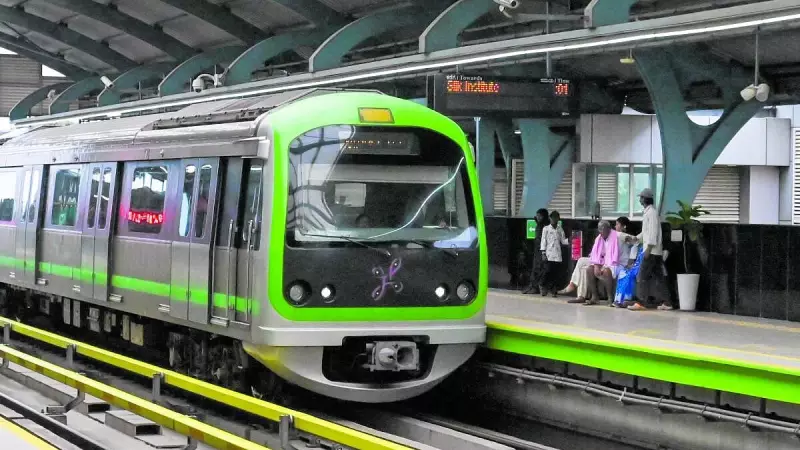
A recent incident on the Namma Metro in Bengaluru has ignited a fresh debate over women's safety and police response to such complaints. A woman has come forward alleging that a man groped her inside a metro coach, but the police, after registering a report, allowed the accused to walk free with just a warning after he apologised.
The Alleged Incident and Police Response
The incident, which came to light on 26 December 2025, involved a woman who was travelling on the Bengaluru Metro. According to her account, an unidentified man inappropriately touched her. She immediately raised an alarm and the matter was reported to the police. However, the subsequent handling of the case by the authorities has drawn criticism.
The police officials registered a Non-Cognisable Report (NCR) against the man for indecent behaviour. In a move that has caused significant upset, the police then reportedly let the man go after he tendered an apology. The woman expressed her dismay, stating that the cops showed sympathy towards the accused rather than taking stringent action as per the law.

Understanding the Legal Implications of an NCR
The registration of a Non-Cognisable Report (NCR) is a crucial detail in this case. Unlike a First Information Report (FIR), which is filed for serious, cognisable offences, an NCR is recorded for less severe crimes. For an NCR, the police do not have the authority to investigate without a court's order. This legal distinction often leads to a perception of a softer approach in cases of public molestation or eve-teasing, much to the frustration of victims and activists.
The decision to let the accused off with a warning, based solely on an apology, raises questions about the procedural follow-up in such instances. It highlights a gap between the occurrence of the crime and the legal recourse available, potentially undermining the confidence of women in public transport security systems.
Public Outcry and Calls for Stricter Action
This episode has resonated deeply with citizens, especially women commuters who rely on the metro daily. Social media and public forums are abuzz with discussions demanding more accountability and a zero-tolerance policy towards harassment in public spaces. The core of the grievance is that a mere warning is an insufficient deterrent for such acts.
Women's safety advocates argue that this response sets a dangerous precedent, suggesting that perpetrators can escape with minimal consequences. They are calling for:
- Mandatory FIR registration in all cases of physical molestation.
- Sensitisation training for police personnel handling such complaints.
- Swift and sure punishment as a deterrent to potential offenders.
The Bengaluru Metro, or Namma Metro, is a backbone of the city's transport, and ensuring it is a safe space for all passengers is paramount. This incident serves as a stark reminder that infrastructural progress must be matched with robust security protocols and a responsive justice mechanism.