BHU Hostel Violence: Police Investigation Uncovers WhatsApp Group as Real Trigger, Not UGC Protest Posts
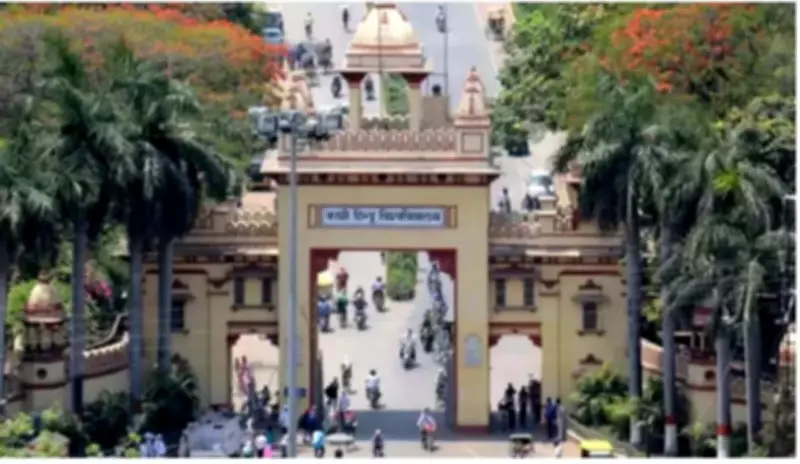
In a significant development, the Varanasi police have conclusively ruled out social media posts in support of the UGC equity regulation 2026 as the cause of the recent violent clashes between two groups of inmates at the Rajaram Hostel of Banaras Hindu University (BHU). The incident, which occurred on Tuesday night, had initially sparked concerns over campus tensions related to regulatory protests.
Initial Allegations and Police Findings
The controversy began when student Adarsh Kumar filed a police complaint, alleging he was attacked by four named individuals—Amit Kumar, Abhay Chaturvedi, Ashu Singh, and Ankit Singh—along with four unknown persons. In his initial account, Adarsh claimed the assault was motivated by his sharing of videos and photos on Facebook from a campus procession supporting the UGC equity regulation 2026. This allegation raised alarms, especially as BHU had recently witnessed rallies both opposing and supporting the UGC regulation, putting university officials on high alert.
However, a thorough police investigation has revealed a different story. According to DCP Kashi zone Gaurav Banswal, the clash actually stemmed from an old dispute between Adarsh Kumar and another student, which escalated due to a confrontation in their WhatsApp group. The DCP emphasized that Adarsh had mentioned this underlying conflict in his police complaint, but the focus had shifted to the UGC-related posts, which were found to be unrelated. BHU chief proctor Prof Sandeep Pokhariya described the incident as a minor scuffle between two students, both belonging to the OBC category, and noted that efforts were made to falsely attribute a caste angle to the event, potentially vitiating the campus atmosphere.
Cross FIRs and Ongoing Investigations
In response to complaints from both groups involved, the Lanka police station lodged cross FIRs. The complainants in both cases are members of the OBC community, highlighting the complex social dynamics at play. Lanka police station in charge Rajkumar Sharma confirmed that Amit Kumar also filed a complaint against Adarsh and his four friends, leading to cases being registered based on the allegations from both sides. This legal action underscores the seriousness with which authorities are treating the incident, even as the initial trigger has been clarified.
Key Takeaways from the Investigation:
- The clash was not triggered by social media posts supporting UGC regulations, as initially suspected.
- The real cause was a dispute originating from a WhatsApp group interaction between the students involved.
- Both groups in the clash belong to the OBC category, dispelling any caste-based motivations.
- Cross FIRs have been filed, reflecting the mutual accusations and ensuring a balanced legal approach.
This incident serves as a reminder of how quickly misunderstandings can escalate in educational settings, and the importance of thorough police work in uncovering the truth behind campus conflicts. The BHU administration and Varanasi police continue to monitor the situation to prevent any further disturbances and maintain peace on the university grounds.