

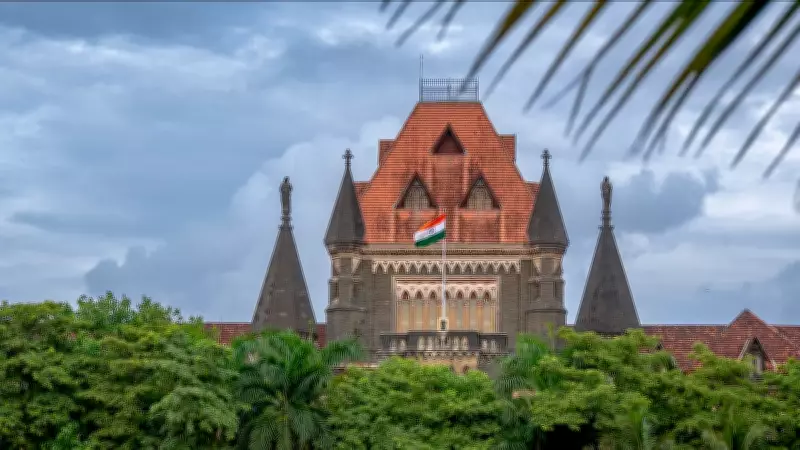
Bombay High Court to Hear Petition Challenging Maharashtra Government's Decision to Scrap Muslim Reservation
The Bombay High Court is set to hear a significant petition that challenges the Maharashtra government's recent decision to cancel reservation for the Muslim community. This development comes after the state's Social Justice Department issued a Government Resolution on February 17, 2026, officially notifying the scrapping of the reservation. The petition, which is expected to be a focal point in the ongoing legal and political discourse, raises critical questions about the implications of this policy change on minority rights and social justice in Maharashtra.
Background of the Government Resolution
On February 17, 2026, the Social Justice Department of Maharashtra notified a Government Resolution that effectively cancelled the reservation previously allocated to the Muslim community. This decision has sparked widespread debate and concern among various stakeholders, including activists, political groups, and members of the Muslim community. The resolution was part of a broader policy shift by the state government, aiming to reassess and potentially alter existing reservation frameworks. The notification process followed standard administrative procedures, but its timing and content have drawn significant scrutiny from legal experts and civil society organizations.
Legal Challenge and Court Proceedings
The petition filed in the Bombay High Court seeks to overturn the government's decision, arguing that it violates constitutional principles and undermines the rights of the Muslim community. The petitioners contend that the cancellation of reservation could have adverse effects on educational and employment opportunities for Muslims, potentially exacerbating social and economic disparities. The court is expected to examine the legal merits of the petition, including whether the government's action aligns with India's constitutional mandates on equality and affirmative action. The hearing is anticipated to involve detailed arguments from both sides, with potential implications for similar reservation policies across the country.

- Challenges the legality of the Government Resolution issued on February 17, 2026.
- Argues that the decision infringes upon the constitutional rights of the Muslim community.
- Highlights potential negative impacts on access to education and jobs for Muslims.
- Calls for a judicial review to ensure compliance with social justice principles.
Broader Implications and Reactions
The cancellation of Muslim reservation in Maharashtra has elicited mixed reactions from various quarters. Supporters of the government's decision argue that it aligns with efforts to streamline reservation policies and ensure they are based on economic criteria rather than religious affiliations. However, critics, including the petitioners, warn that this move could marginalize the Muslim community further, hindering their progress and integration into mainstream society. The outcome of the Bombay High Court hearing could set a precedent for how reservation issues are handled in other states, making it a landmark case in India's legal and social landscape.






