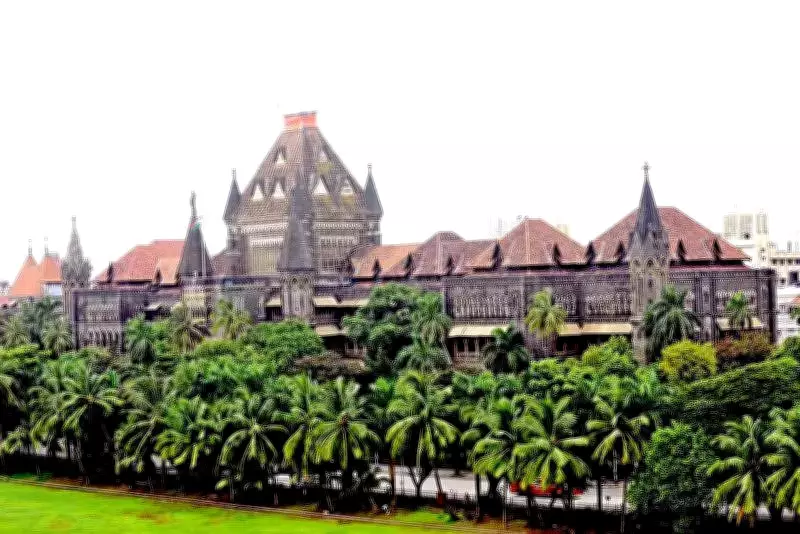
Bombay High Court Orders CBI Investigation into 2010 Schoolgirl Death, Slams Police Oversight
The Bombay High Court has taken a decisive step in a long-pending case, transferring the investigation into the 2010 accidental death of a 13-year-old schoolgirl to the Central Bureau of Investigation (CBI). This move comes after the court found significant lapses in the police probe, particularly their failure to consider critical autopsy evidence indicating sexual intercourse in the 24 hours preceding her death.
Court Criticizes Police Investigation as Incomplete and Negligent
In a strongly worded order dated February 10, a division bench comprising Justices Sarang Kotwal and Sandesh Patil expressed deep dissatisfaction with the police handling of the case. The bench highlighted that investigators relied on an incomplete video recording and statements from doctors who had not reviewed the postmortem report, leading to what they described as "too many loose ends" in the investigation.
The court specifically noted that police "did not even consider the serious possibility of the offence being rape with murder", despite autopsy findings that should have raised immediate red flags. This oversight, according to the bench, represents a fundamental failure in pursuing justice for the victim.
Details of the Tragic Incident and Investigation Gaps
The case dates back to 2010 when the schoolgirl was participating in a school-organized camp near the Tungareshwar forest. According to prosecution accounts, students were playing in a stream when a teacher instructed them to exit as the water flow intensified. While all other students managed to get out safely, the girl was carried away by the current.
Her body was later discovered unclothed, a detail that the court emphasized was never properly investigated. "No probe was carried out from that angle at all. Not finding clothes on the body was also an important aspect which needed to be probed seriously," the bench stated in their order, underscoring how basic investigative procedures were overlooked.
Autopsy Report Reveals Disturbing Findings Ignored by Police
The most damning evidence overlooked by investigators was the autopsy report, which clearly indicated that the victim had engaged in sexual intercourse within 24 hours before her death. This crucial forensic evidence was apparently disregarded by police, who instead focused on incomplete visual records and unverified medical statements.
The court's decision to transfer the case to the CBI reflects their assessment that the original investigation was fundamentally flawed and that a fresh, comprehensive probe is necessary to uncover the truth. This case now joins a growing list of investigations where courts have intervened due to perceived inadequacies in police procedures.
Broader Implications for Criminal Justice and Victim Rights
This ruling highlights ongoing concerns about investigative thoroughness in sensitive cases involving minors. The Bombay High Court's intervention serves as a reminder of judicial oversight in ensuring proper procedure and consideration of all evidence, particularly forensic findings that might indicate more serious underlying crimes.
The transfer to the CBI represents not just a change in investigating agency, but a judicial mandate for a complete re-examination of all evidence with particular attention to the autopsy findings and circumstances surrounding the discovery of the unclothed body. This case will now undergo scrutiny from India's premier investigative agency, with expectations of a more thorough and conclusive inquiry.