Calcutta High Court Upholds Life Sentence in 2013 Birbhum Panchayat Poll Murder Case
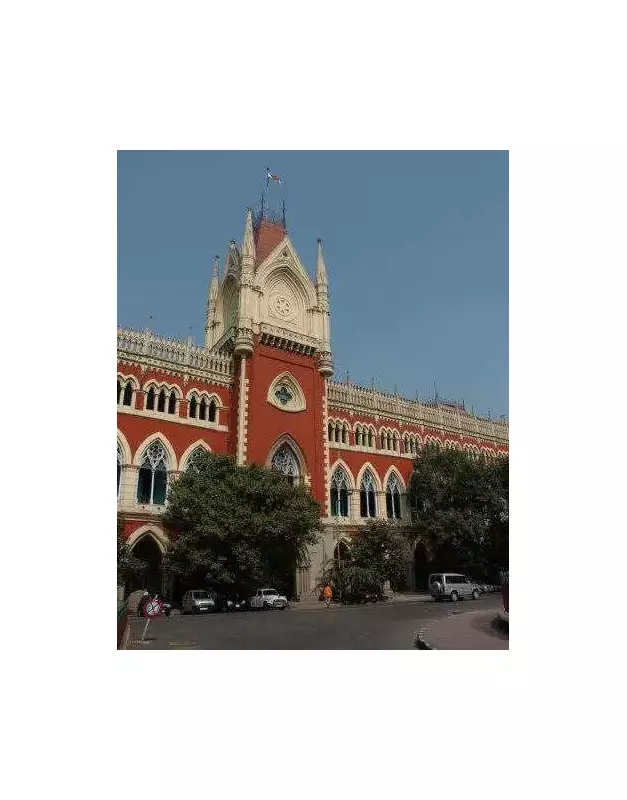
In a significant ruling, the Calcutta High Court on Tuesday upheld the life imprisonment of two convicts for a murder that occurred just a day before the 2013 panchayat elections in Birbhum district. The court placed substantial trust in the victim's dying declaration, which it deemed credible and crucial to the case.
Details of the Fatal Incident
The victim, Sagar Ghosh, was the father of Hriday Ghosh, an Independent candidate in the panchayat polls. According to family statements, Hriday had chosen to run as an Independent after being denied a ticket by the Trinamool Congress (TMC). Fearing for his safety, he was staying at his sister's residence at the time of the incident.
On the night of July 22, 2013, Sagar Ghosh was shot multiple times at the entrance of his home in Bandhnabagram village, which falls under the jurisdiction of the Parui police station. The assailants, later identified as Subrata and Bhagirath, were members of the TMC's Bandhnabagram panchayat unit.

The Role of the Dying Declaration
Immediately after being shot, Sagar Ghosh made a dying declaration in the presence of his wife and daughter-in-law, who were with him at the time. He identified the attackers before succumbing to his injuries. The Calcutta High Court division bench, comprising Justices Rajasekhar Mantha and Ajay Kumar Gupta, emphasized that the declaration was made at the very inception of the crime, leaving no room for fabrication.
The bench observed, "The victim had no time to come up with the assailants' names or falsely implicate them. The dying declaration came at the very inception when the crime unfolded." This statement was corroborated by medical evidence, which confirmed that although Sagar was in pain, he was mentally conscious and his memory was intact.
Court's Reasoning and Additional Evidence
The High Court also upheld the testimonies of the victim's wife and daughter-in-law, who recounted the events before the court. They stated that the assailants had claimed to be police officers. Furthermore, Sagar had repeated the names of the attackers to the police when they arrived at the scene.
Medical and forensic reports played a pivotal role in the case. The autopsy surgeon concluded that the cause of death was homicidal, with injuries consistent with bullet wounds. A forensic expert opined that the bullets were fired from a 9 mm pistol, adding to the evidence against the convicts.
Appeal and Sentencing Details
Subrata and Bhagirath had appealed to the Calcutta High Court against their conviction and sentencing by a Birbhum court in 2018. Their primary contention was that the victim was not in a proper state of mind to recognize them. However, the High Court dismissed this argument, citing the doctors' confirmation of Sagar's mental consciousness despite his physical pain.
In addition to upholding the life sentence, the court gave the convicts one month to pay a fine of Rs 1 lakh each. This amount is to be equally distributed between the deceased's wife and daughter-in-law as compensation for the trauma they endured. If the convicts fail to pay, the state has been directed to provide Rs 5 lakh to the victims' family.
Broader Implications
This ruling underscores the judiciary's reliance on dying declarations in criminal cases, especially when supported by medical and forensic evidence. It also highlights the intense political tensions that can surround local elections in India, such as panchayat polls, where violence occasionally erupts.
The case serves as a reminder of the legal system's commitment to delivering justice, even in politically charged environments, by meticulously evaluating all available evidence to ensure a fair outcome.