Canadian Police Defend Identification Protocol for Transgender Shooter
Canadian law enforcement authorities have firmly rejected criticism that they attempted to conceal the gender identity of mass shooter Jesse Van Rootselaar. Police officials emphasized that they identified the suspect according to how she presented herself publicly and on social media platforms.
Official Police Statement on Identification
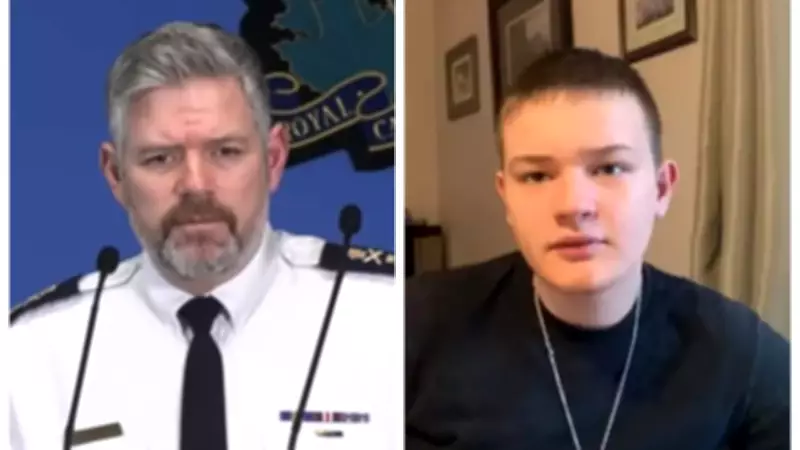
The Royal Canadian Mounted Police confirmed that the shooter was 18-year-old Jesse Van Rootselaar, who was born biologically male but identified as female. BC RCMP commanding officer Dwayne McDonald addressed questions about whether police were hiding the suspect's transgender status during a press conference.
"We are not hiding it. In fact, you are the first person to have asked this question," Officer McDonald stated, revealing that Van Rootselaar had begun her gender transition approximately six years prior to the incident.

Social Media Reaction and Controversy
The revelation about the shooter's transgender identity sparked intense debate across social media platforms following the police announcement. Critics questioned the emphasis on pronoun usage during what was essentially a mass shooting briefing.
"RCMP's careful pronoun phrasing amid a mass shooting presser is peak Canada 2026: prioritize identity optics while the body count is still fresh. The shooter's biology was stated plainly anyway, why the hedging dance? Public safety should come before linguistic caution," one social media user commented.
Another wrote: "Canadian authorities are upset that people are misgendering a mass murderer. Everyone else in the world is mad that a man who pretended to be a woman slaughtered 9 innocent people."
MAGA commentator Benny Johnson added to the controversy by stating: "Canadian Police are worried about respecting the transgender shooter's pronouns."
Details of the Shooting Incident
Jesse Van Rootselaar's violent rampage began at her family home, where she first killed her mother and then her stepmother. The attacker subsequently targeted a school she had attended four years earlier, resulting in additional casualties.
Police investigations revealed several concerning details about Van Rootselaar's background:
- The shooter had dropped out of school, though police declined to comment on whether gender-related difficulties contributed to this decision
- Firearms had previously been confiscated from Van Rootselaar's residence
- She possessed a firearms license that had lapsed, yet faced no charges related to this
- Van Rootselaar had a documented history of mental illness
- Police had conducted welfare checks at her home prior to the shooting incident
Broader Implications and Discussion
This case has ignited broader conversations about how law enforcement agencies should handle identification of transgender individuals during criminal investigations. The Canadian police's approach highlights the ongoing tension between respecting individual identity and providing transparent public safety information during crisis situations.
The incident raises questions about mental health support systems, firearm regulation enforcement, and how institutions respond to individuals experiencing gender transition while also dealing with other personal challenges. As investigations continue, the debate surrounding identity, public safety, and law enforcement protocols shows no signs of diminishing.