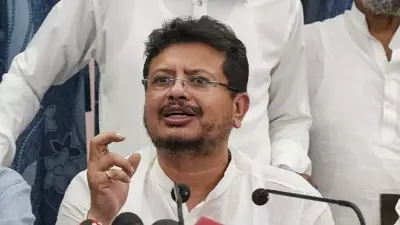
A formal police complaint has been lodged in Bengaluru following the circulation of an audio clip containing derogatory and caste-based slurs targeting former Prime Minister HD Deve Gowda and members of his family. The incident has sparked legal action under new penal laws.
Details of the Offensive Conversation
According to the complaint submitted by JD(S) legal unit president Pradeep Kumar SP to the Banashankari police on Wednesday, the offensive remarks were made during a telephonic conversation by two individuals identified as Prasanna Kumar and Manjunath. The duo allegedly questioned Gowda's caste identity and made statements that were personally demeaning to the veteran leader and disparaging towards the Vokkaliga community.
The JD(S) functionary asserted that the conversation included objectionable comments about Gowda's lineage, his family members, and specific references to various communities and sub-sects. The intent, as per the complaint, was to provoke and create discord among different caste groups.

Legal Action Under New Law
A senior police officer confirmed that a case has been officially registered. The charges have been framed under the newly implemented Bharatiya Nyaya Sanhita (BNS), specifically section 196(1). This section deals with promoting enmity between different groups on grounds such as religion, race, place of birth, residence, and language, and performing acts prejudicial to maintaining social harmony.
The police stated that the investigation into the matter is currently in progress. The complaint emphasizes that the accused attempted to pit one community against another through their inflammatory statements, thereby promoting hatred, intolerance, and animosity between social groups.
Social Media Amplification
Adding to the severity of the incident, the complainant highlighted that the controversial audio clip was deliberately circulated and promoted on multiple social media platforms. The list of platforms used to amplify the content includes Facebook, X (formerly Twitter), and YouTube. This widespread dissemination is seen as an aggravating factor intended to maximize the reach of the divisive content and disrupt communal harmony.
The filing of this case underscores the legal repercussions for making remarks that threaten social cohesion, especially when they target prominent public figures and are spread through digital channels.