CBI Concludes 25-Year Manhunt with Arrest of Telecom Corruption Fugitive
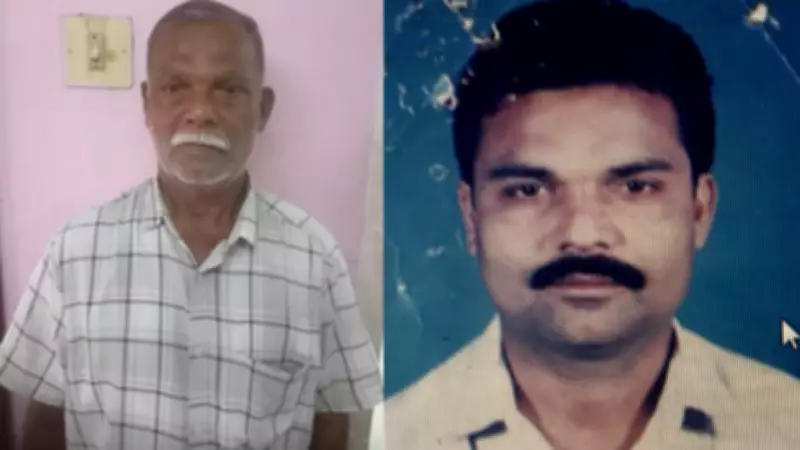
In a significant breakthrough that concludes a pursuit spanning nearly a quarter of a century, the Central Bureau of Investigation (CBI) unit in Bhopal has successfully apprehended a proclaimed offender who had been evading trial since 2001. The arrest pertains to a high-profile corruption case involving the Telecom Department of the Government of India, marking the end of a prolonged legal chase.
Details of the Arrest and Fugitive's Whereabouts
The accused, identified as P M Abdul Razzaq, was arrested on February 13 from Jalakandapuram in Salem district, Tamil Nadu. Investigators discovered that Razzaq had been living under an assumed identity, "Abdurasak", and was allegedly earning a livelihood by selling coconuts. This arrest brings closure to a manhunt that originated with the registration of corruption case RC No. 14A/1995 on October 16, 1995, by the CBI's Anti-Corruption Branch in Bhopal.
Background of the Corruption Case
The case was filed under Sections 120-B and 420 of the Indian Penal Code, along with Section 13(2) read with 13(1)(d) of the Prevention of Corruption Act, 1988. It involved allegations of a criminal conspiracy that purportedly caused wrongful financial loss to the Telecom Department. According to the investigation, Mukesh Gupta, who served as the Divisional Manager in the Department of Telecommunications at the time, allegedly conspired with Razzaq and others, leading to significant monetary damages.

A charge sheet was formally filed against Razzaq and four other accused on June 29, 1999. However, Razzaq ceased appearing before the court in 2001, prompting authorities to declare him a proclaimed offender. A permanent arrest warrant was subsequently issued by the Special Judge for CBI cases in Bhopal on March 13, 2001, after which he remained untraceable for over two decades.
Revival of the Investigation and Tracking Efforts
In a renewed effort to locate the absconding accused, the CBI recently formed a dedicated team to revive the search. Over the past month, officers meticulously gathered technical inputs and analyzed mobile call records to generate viable leads. Their efforts ultimately directed them to Salem in Tamil Nadu, where Razzaq had relocated with his family after allegedly jumping bail and departing from Madhya Pradesh.
By adopting a changed identity, Razzaq managed to evade detection for years while reportedly sustaining himself through coconut sales. On February 13 at approximately 3:10 PM, CBI officers executed the arrest in Jalakandapuram. He was subsequently transported to Bhopal on transit remand on February 14 and presented before the Special Judge for CBI cases.
Implications and Future Legal Proceedings
With this arrest, the CBI has effectively reopened legal proceedings in a case that had been stalled for more than twenty years due to the accused's absence. The agency's persistence underscores its commitment to pursuing long-standing corruption matters. Sources indicate that further legal action is currently underway, as the case moves forward in the judicial system. This development highlights the ongoing efforts to combat corruption within government departments and ensure accountability.