Chandigarh Bomb Threats Escalate to Government Complexes
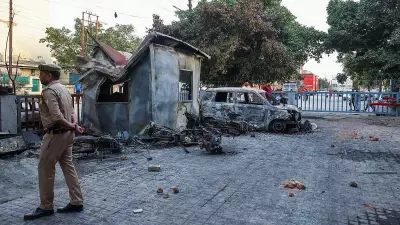
In a concerning escalation of security threats, major government buildings in Chandigarh were targeted with bomb threat emails on Thursday, just one day after 30 schools in the city received similar alerts. This back-to-back targeting of educational and administrative institutions has triggered a massive security response, involving multiple agencies and the evacuation of key administrative complexes.
Government Buildings Evacuated Amid High Alert
Security agencies were placed on high alert after threatening emails reached several critical government structures in Chandigarh. The affected buildings included the Punjab Secretariat in Sector 1, the Punjab Mini Secretariat in Sector 9, and the Punjab Municipal building in Sector 35. As a precautionary measure, all three complexes were immediately evacuated to ensure the safety of officials and employees.
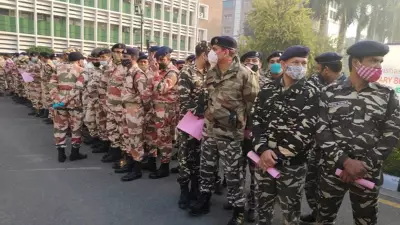
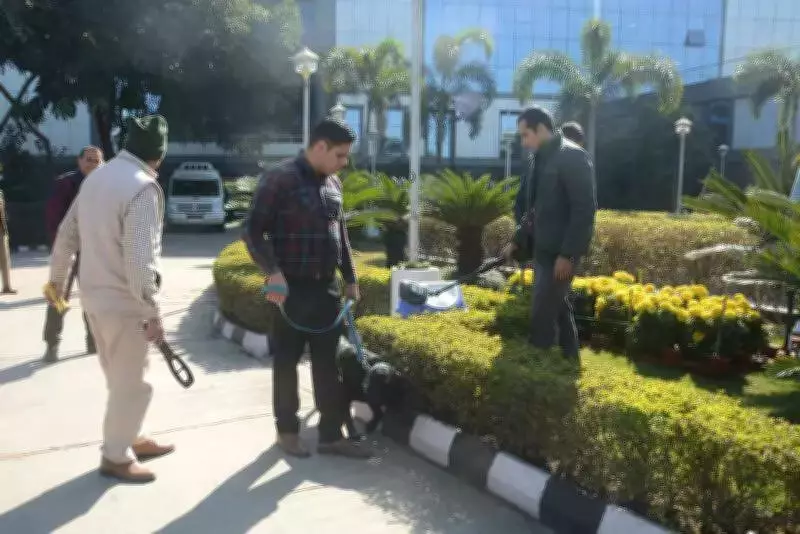
Teams from Chandigarh Police, Punjab Police, Haryana Police, the bomb disposal squad, CISF, and dog squads swiftly cordoned off the areas and launched extensive search operations. Every block, room, and parking area within the secretariat was thoroughly inspected in searches that lasted several hours. Although no explosive material was discovered, authorities maintained strict caution throughout the process.

Administrative Work Suspended and Security Reinforced
Following the threats, administrative work in the secretariat was suspended indefinitely. Officials and employees were evacuated and advised to stay away until further orders. A substantial police force remained stationed around the buildings throughout the day to monitor the situation and prevent any potential security breaches.
Source and Investigation of the Threats
The threatening email was allegedly sent by the Khalistan National Army, originating from a Gmail account under the name "M Gill" and signed in the name of Engineer Gurnakh Singh Rukan Shahwala. The message issued a direct threat to Punjab Chief Minister Bhagwant Mann and claimed that improvised explosive devices (IEDs) had been planted within the secretariat. Given the seriousness of the content, the cyber cell has launched a comprehensive technical investigation to trace the origins and identify those responsible.
In a related development, Chandigarh Police revealed that they had traced the IP address of the emails sent to the 30 schools to the United States. This incident recalls a similar episode in 2025, when two bomb threat emails were received by the Punjab and Haryana High Court, with their IP addresses traced to France and the USA.
Previous Day's School Threats
Thursday's threats came barely 24 hours after 30 schools—including 22 private and eight government institutions—received similar bomb alerts via email. In response, anti-sabotage teams, bomb squads, police, fire brigade personnel, and ambulance teams conducted intensive searches across all the affected schools. No suspicious objects were found during these operations. In connection with the school threats, Sector 17 police registered a case under relevant sections of the Indian Justice Code and the Information Technology Act.
Heightened Security Measures and Public Advisory
With consecutive threats targeting both educational and administrative institutions, central and state-level security agencies remain on high alert. The administration has urged the public not to believe rumors and to cooperate fully with security agencies to maintain law and order. The situation underscores the ongoing challenges in cybersecurity and the need for robust preventive measures to safeguard critical infrastructure.