

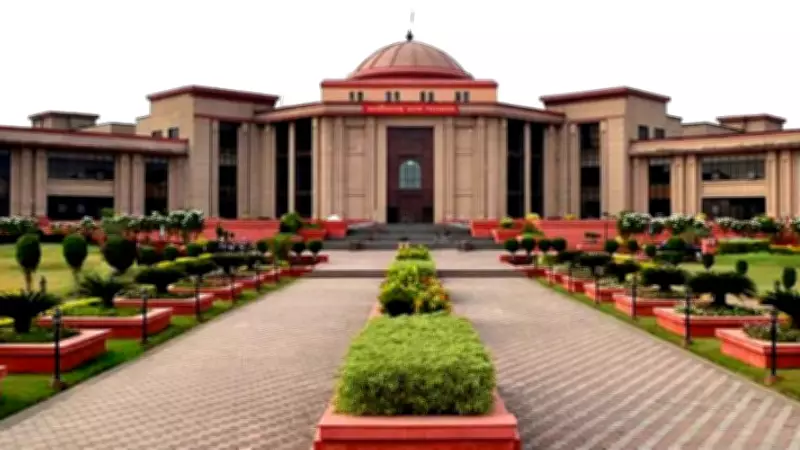
Chhattisgarh High Court Mandates Timely Decision on Decades-Old Fake Encounter Compensation Case
The Chhattisgarh High Court has issued a significant directive in a long-pending case of alleged police brutality, ordering the Jashpur district collector to make a determination on a compensation plea within 45 days. This case revolves around the 1992 killing of Ramnath Nagvanshi, whose widow, Sanjho Bai, has fought for justice for over three decades.
Court Disposes of Petition with Clear Instructions
Justice Naresh Kumar Chandravanshi of the Chhattisgarh High Court disposed of a writ petition filed by Sanjho Bai on March 16, 2024, while providing specific timelines for action. The court has allowed the petitioner 15 days to resubmit all necessary documents, including a fresh copy of her application and the relevant court order, to the district administration.
Upon receipt of these documents, the Jashpur collector must decide on the compensation matter within 45 days, bringing potential closure to a case that has languished in bureaucratic limbo for years.

The Tragic Incident and Subsequent Legal Proceedings
The case dates back to March 26, 1992, when police personnel from the Kansabel police station gunned down Ramnath Nagvanshi in Dengur Jor village of Jashpur district. Initially, police authorities claimed Nagvanshi was a Naxalite, justifying the encounter.
However, subsequent investigations revealed a starkly different truth. Official inquiries conclusively established that Nagvanshi had no involvement in Naxal activities whatsoever, exposing the encounter as potentially fake and unlawful.
This revelation led to criminal prosecution of the involved police team. On June 11, 2002, a sessions court delivered convictions in the case:
- The then Station House Officer, H.R. Aharwat, was convicted under Section 304-I of the Indian Penal Code
- Five other police personnel were convicted under Section 323/34 of the IPC
Widow's Long Struggle for Justice and Compensation
Following these convictions, Sanjho Bai, a resident of Dhegurjor village in Jashpur, moved an application before the Jashpur collector seeking compensation for her husband's wrongful death. Despite the clear judicial findings, her plea remained pending for years without resolution.
In her petition to the High Court, Sanjho Bai described her husband as a social worker and vegetable trader who was falsely labelled a Naxalite before being killed. She has alleged decades of injustice, harassment, and state inaction despite repeated representations to authorities.
The widow's demands include:
- Compensation of Rs 1 crore for the wrongful death and subsequent suffering
- A fair and thorough investigation into the alleged fake encounter
- Accountability and appropriate action against all officials involved
Sanjho Bai has asserted that the state's prolonged inaction has caused her immense mental harassment and hardship, compounding the original tragedy of her husband's killing.
Legal Framework and Implications
The High Court's intervention comes in response to the widow's petition seeking a time-bound decision on her representation dated September 24, 2024. By setting clear deadlines for document submission and administrative decision-making, the court has taken a firm stance against bureaucratic delay in matters of justice.
This case highlights several critical issues in India's criminal justice and administrative systems:
- The persistence of fake encounter allegations despite judicial scrutiny
- The challenges families face in seeking compensation even after court convictions
- The need for timely administrative responses to legitimate grievances
- The human cost of prolonged legal battles for justice
As the Jashpur collector now faces a 45-day deadline to decide on this compensation plea, this case serves as a significant precedent for how Indian courts are increasingly mandating timely resolutions in long-pending matters of justice and administrative accountability.






