CJI Surya Kant Advocates for a More Accessible Legal System in India
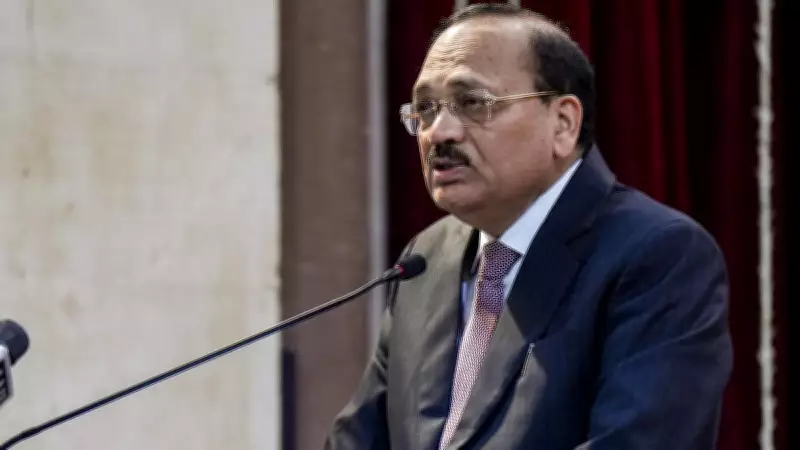
In a significant address, Chief Justice of India (CJI) Surya Kant has called for a fundamental transformation of the legal system, urging it to evolve from a "fortress" into a "forum" to enhance accessibility for all citizens. This statement underscores a pressing need to make justice more approachable and user-friendly, moving away from traditional barriers that often hinder public engagement.
Key Highlights from CJI Surya Kant's Address
CJI Surya Kant emphasized that the current legal framework can sometimes feel like an impenetrable fortress, intimidating and difficult to navigate for ordinary people. He stressed that the judiciary must adapt to become a welcoming forum where individuals can seek redress without fear or confusion. This evolution is crucial for upholding the rule of law and ensuring that justice is not just a privilege for the few but a right for everyone.
"The law must be seen as a facilitator, not an obstacle," he remarked, highlighting the importance of simplifying legal processes and making them more transparent. This approach aims to build greater public trust in the judicial system, which is essential for a functioning democracy.

Role of Technology in Legal Accessibility
A major focus of CJI Surya Kant's address was the integration of technology to bridge gaps in legal accessibility. He pointed out that digital tools and online platforms can play a pivotal role in demystifying the law, providing easier access to legal information, and streamlining court procedures. By leveraging innovations such as e-filing, virtual hearings, and AI-assisted legal aid, the judiciary can become more efficient and inclusive.
This technological push aligns with broader efforts under India's Digital India initiative, aiming to modernize public services and enhance citizen engagement. CJI Surya Kant's vision includes using these advancements to reduce delays, cut costs, and make legal assistance more readily available, especially in remote or underserved areas.
Challenges and the Path Forward
Despite the potential benefits, CJI Surya Kant acknowledged several challenges in reforming the legal system. These include resistance to change within traditional institutions, the digital divide affecting rural populations, and the need for continuous training of legal professionals to adapt to new technologies. He called for collaborative efforts between the judiciary, government, and civil society to address these issues effectively.
To move forward, he proposed a multi-faceted strategy:
- Enhancing Legal Literacy: Educating the public about their rights and legal processes through campaigns and simplified resources.
- Promoting Alternative Dispute Resolution: Encouraging mediation and arbitration to reduce court backlogs and provide quicker resolutions.
- Strengthening Infrastructure: Investing in digital infrastructure and support systems to ensure seamless access across the country.
By implementing these measures, CJI Surya Kant believes that the legal system can truly become a forum for justice, fostering a culture of fairness and equality. This evolution is not just about procedural changes but about reshaping societal perceptions of the law as a tool for empowerment rather than exclusion.
Implications for India's Judicial Landscape
CJI Surya Kant's remarks have sparked discussions among legal experts, policymakers, and the public about the future of India's judiciary. His call for accessibility resonates with ongoing debates on judicial reforms, including efforts to reduce case pendency and improve transparency. As the head of the Supreme Court, his advocacy could influence policy decisions and drive initiatives aimed at making the legal system more responsive to citizen needs.
In conclusion, CJI Surya Kant's vision for transforming the law from a fortress to a forum marks a pivotal moment in India's legal history. By prioritizing accessibility, technology, and public trust, this approach has the potential to redefine justice delivery and strengthen democratic values in the years to come.