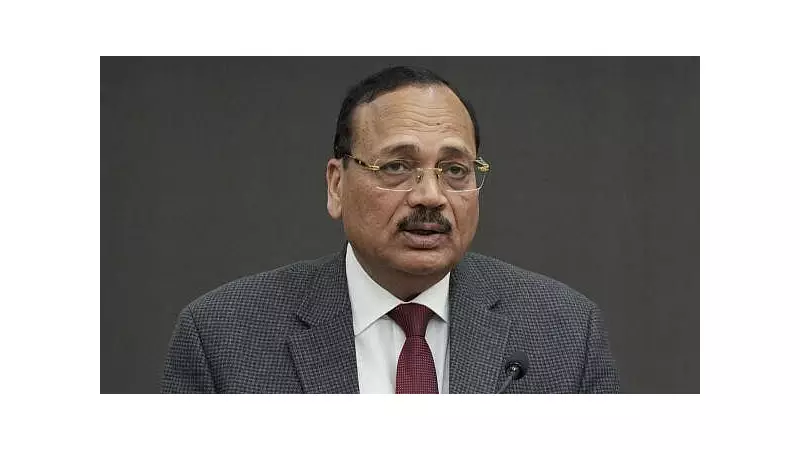
In a significant push to reform the judicial landscape, Chief Justice of India (CJI) Surya Kant has proposed the establishment of a 'multi-door courthouse' system. This innovative model aims to provide comprehensive and tailored dispute resolution for every citizen seeking justice.
What is the Multi-Door Courthouse Concept?
The core idea, presented by the CJI, is to create a single, accessible point for justice where individuals are not funneled directly into litigation. Instead, when a person approaches the court, they would find multiple doors open to them. These doors represent different pathways like mediation, arbitration, and finally litigation. The choice of door would depend entirely on the specific nature and complexity of their grievance, ensuring a more efficient and appropriate resolution process.
A Tailored Pathway for Every Case
CJI Surya Kant emphasized that the current system often defaults to lengthy court battles. His vision is to integrate Alternative Dispute Resolution (ADR) mechanisms seamlessly into the court's framework. This means a case would first be evaluated for potential resolution through mediation or arbitration, which are generally faster and less adversarial. Litigation would remain the final door, reserved for matters that absolutely require a formal judicial verdict.

The proposal was made on 26 December 2025, marking a clear agenda for modernizing India's judicial infrastructure. The CJI's pitch underscores a growing recognition within the Indian judiciary that a one-size-fits-all approach to justice is no longer sustainable given the massive backlog of cases.
Implications for India's Justice Delivery
The move towards a multi-door courthouse model could have profound consequences. Primarily, it promises to decongest overburdened courts by diverting suitable cases to quicker resolution forums. This would not only speed up justice for millions but also reduce the financial and emotional strain on all parties involved.
Furthermore, it empowers the justice seeker by offering choices. A person with a commercial dispute might find arbitration more suitable, while a family matter could be better resolved through sensitive mediation. This client-centric approach aligns with global best practices in judicial administration.
For the proposal to become reality, it will require concerted efforts from the judiciary, the legal community, and policymakers to create the necessary institutional framework and build capacity in ADR mechanisms across the country.