CJI Surya Kant Calls for Urgent Action to Increase Women's Representation in Indian Judiciary
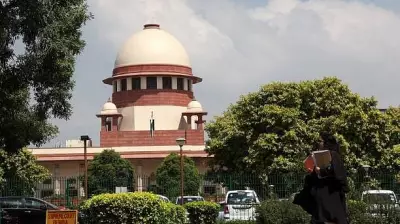
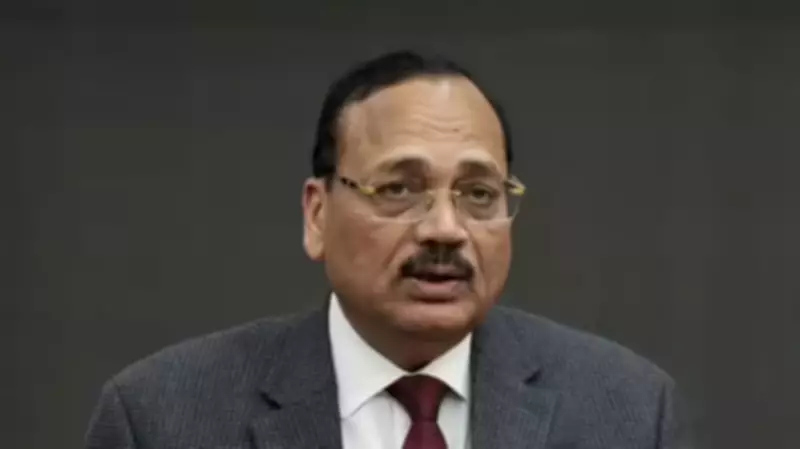
On International Women's Day, Chief Justice of India Surya Kant delivered a powerful address acknowledging that achieving fair and equal participation of women in the judiciary remains an unfinished task in India. Speaking at an event titled "Half the Nation, Half the Bench" held on the Supreme Court premises, Justice Kant made a direct appeal to High Court collegiums to prioritize the elevation of more qualified women to judicial benches across the country.
Alarming Statistics Highlight Gender Imbalance
The CJI presented sobering statistics that underscore the severe underrepresentation of women in India's judicial system. Currently, only one out of thirty-three judges in the Supreme Court is a woman. The situation in High Courts is marginally better but still concerning, with just 116 women judges out of a total working strength of 781 judges across 25 High Courts, representing approximately 15% of the total.
Historical data reveals an even more troubling pattern: Over the years, only 291 women judges have been appointed to High Courts out of a total of 5,161 appointments, amounting to a meager 5.6% of all appointments. Furthermore, no woman judge has been appointed to the Supreme Court since September 2021, highlighting a significant gap in representation at the highest judicial level.

Distinct Perspectives and Institutional Responsibility
Justice Kant emphasized that women judges do not bring a different standard of justice but contribute distinct perspectives that enrich judicial decision-making. He stressed that diversity on the bench is essential for a justice system that truly understands and responds to the realities faced by India's 650 million women.
"The institution must rise to address this concern and make women believe that the justice system understands their realities and will respond with fairness," the CJI stated. He added that institutional intent alone is insufficient and must be accompanied by "institutional imagination" to achieve meaningful progress toward gender equality in the judiciary.
Immediate Action Required from High Court Collegiums
The Chief Justice issued a clear directive to High Court collegiums, stating: "The moment for measured action is not in the future, it is now." He urged them to recognize that when suitable and meritorious women candidates are available at the Bar, their consideration should become the norm rather than an exception.
Justice Kant specifically addressed procedural barriers that might hinder women's appointments, urging High Courts to widen their zones of consideration. He recommended that candidates should not be rejected merely because they do not strictly meet age requirements, stating: "Where in certain High Courts, if suitable women candidates within a particular age limit are not immediately available, that should not become a barrier."
Progress and Positive Examples
While acknowledging the slow progress, the CJI noted some positive developments. Currently, two High Courts have women chief justices, and with the elevation of Justice Lisa Gill, this number will increase to three. He specifically mentioned the Punjab and Haryana High Court, which currently has eighteen sitting women judges, as an example of what can be achieved.
"Every woman who takes a place on the bench sends a clear message to those who still face obstacles that your perseverance is not unseen and it is not in vain," Justice Kant declared, emphasizing the symbolic importance of increasing women's representation in the judiciary.
The CJI concluded that while concerns about adequate women's representation are being addressed, much more needs to be done to create a judiciary that truly reflects the diversity of the nation it serves.