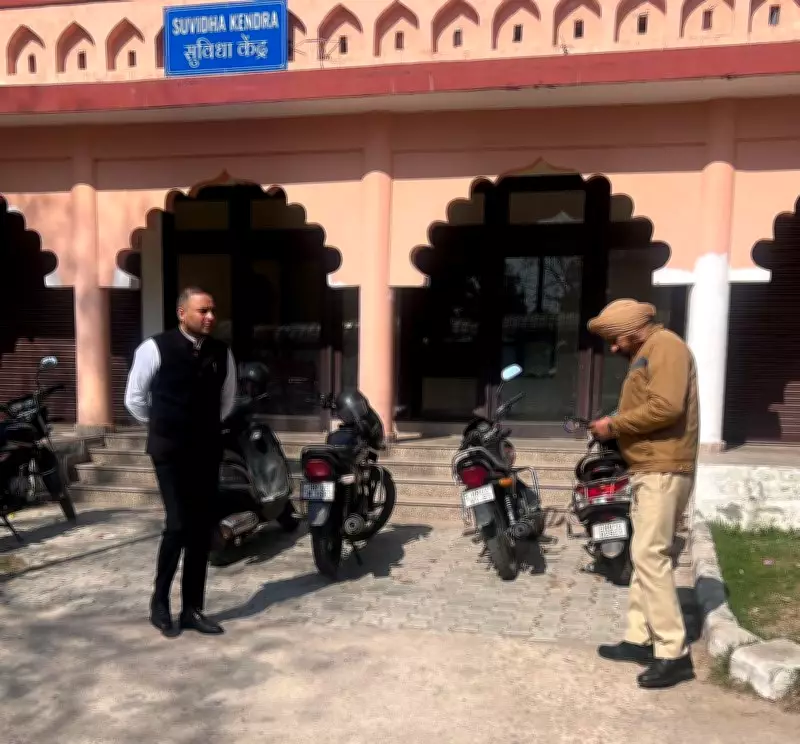
CJM Conducts Surprise Inspection of Legal Aid Clinics in Panchkula District
The Chief Judicial Magistrate (CJM) of Panchkula district recently carried out a surprise inspection of legal aid clinics operating within the jurisdiction. This unannounced visit aimed to assess the operational efficiency, infrastructure, and overall functioning of these clinics, which are crucial for providing free legal assistance to underprivileged and marginalized sections of society.
Ensuring Accessibility and Efficiency
During the inspection, the CJM meticulously evaluated various aspects of the clinics, including the availability of legal professionals, the condition of facilities, and the responsiveness to public queries. The primary objective was to ensure that these clinics are fully equipped to serve citizens effectively, adhering to the mandates of the Legal Services Authorities Act. The CJM emphasized the importance of maintaining high standards in legal aid services to uphold justice and equality.
Key Findings and Recommendations
The inspection revealed several positive aspects, such as the presence of dedicated staff and proper documentation processes. However, the CJM also identified areas requiring improvement, such as enhancing public awareness about the clinics' services and streamlining case management systems. Recommendations were made to address these gaps, including regular training for personnel and better coordination with local authorities to boost outreach efforts.

Impact on Legal Aid Services
This surprise inspection underscores the judiciary's commitment to strengthening legal aid mechanisms in Panchkula. By ensuring that clinics operate transparently and efficiently, the CJM aims to foster greater trust among citizens and promote access to justice for all. The initiative is expected to lead to timely interventions and improved service delivery, ultimately benefiting those in need of legal support.
Future Steps and Monitoring
Moving forward, the CJM plans to conduct periodic inspections and follow-up assessments to monitor the implementation of suggested improvements. This proactive approach is designed to sustain the quality of legal aid services and address any emerging challenges promptly. The judiciary's focus remains on creating a robust legal aid framework that aligns with national standards and serves the community effectively.