

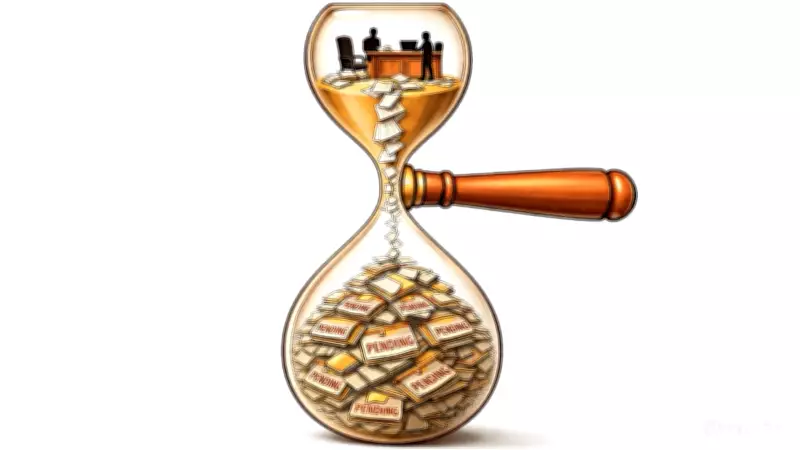
Consumer Court Delays Escalate: Cases Over a Year Jump from 16% to 67% in 14 Years
Consumer courts, established to offer a swift and cost-effective grievance redress system for citizens and alleviate pressure on the broader judicial framework, are now grappling with significant delays. According to the Consumer Justice Report 2026, the proportion of cases pending for more than a year has skyrocketed from 16% to 67% over the past 14 years. This alarming trend highlights a growing inefficiency in a mechanism designed for prompt resolution.
Housing and Insurance Lead the Backlog
The report identifies housing and insurance disputes as the primary contributors to this mounting pendency. These sectors account for the bulk of cases clogging consumer courts, often involving complex legal and financial issues that prolong proceedings. Despite the original intent to streamline justice, these areas have become hotspots for delays, frustrating consumers seeking timely remedies.
State-Level Variations in Disposal Rates
While the overall picture is bleak, the Consumer Justice Report 2026 notes wide variation in disposal rates among different states. Some regions have managed to maintain relatively efficient processes, while others struggle with overwhelming caseloads and administrative bottlenecks. This disparity underscores the need for targeted reforms and resource allocation to address local challenges and improve consistency across the country.

Implications for Consumer Justice
The surge in delays undermines the core purpose of consumer courts, which was to provide accessible and expedient justice. As cases drag beyond a year, consumers face increased financial and emotional strain, potentially deterring others from pursuing legitimate claims. This trend calls for urgent attention from policymakers and judicial authorities to revitalize these institutions and restore their effectiveness in safeguarding consumer rights.






