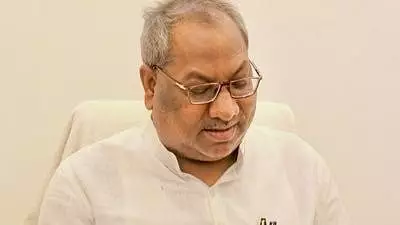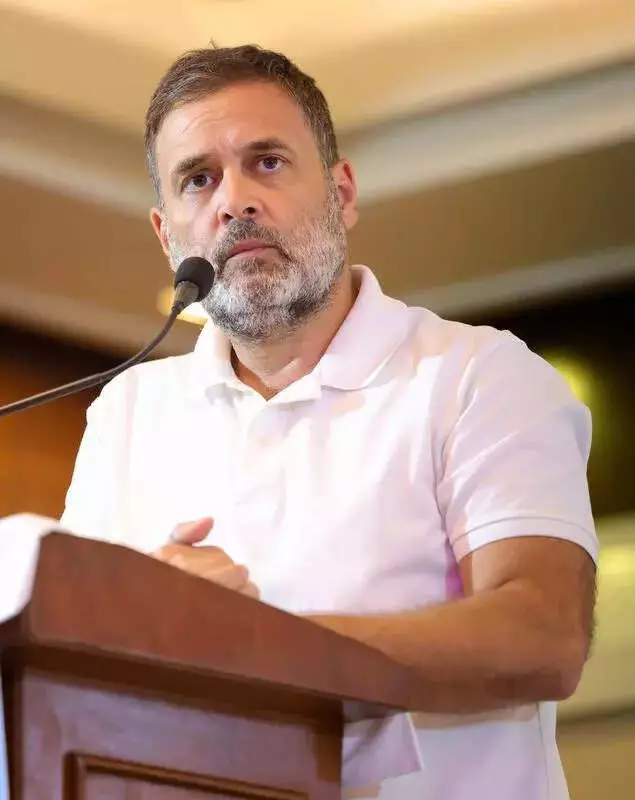
A special court for MPs and MLAs in Pune has delivered a significant ruling in a high-profile defamation case. On Thursday, the court accepted an application from Satyaki Savarkar, the grandnephew of Hindutva ideologue Vinayak Damodar Savarkar, allowing him to submit two pen drives as evidence. These digital drives contain a recording of a speech made by Congress leader Rahul Gandhi.
The Core of the Defamation Case
The legal battle stems from remarks allegedly made by Rahul Gandhi during a speech in London in March 2023. Satyaki Savarkar filed the defamation complaint, asserting that the Congress leader's comments against the late Hindutva icon were objectionable. The case has now progressed to the stage where the complainant is presenting his evidence, known as the examination-in-chief.
The court has scheduled the next hearing for December 31. This development marks a procedural advance in a case that has attracted considerable political attention.

Broader Evidentiary Requests Granted
Satyaki Savarkar's legal team sought more than just the admission of the pen drives. His lawyer, Sangram Kolhatkar, informed the Times of India that the court also approved additional pleas. These requests ask a major US-based social media and video-sharing platform, along with an Indian newspaper, to provide the original video link and a news report concerning Gandhi's London address.
Crucially, the submission adhered to technical legal requirements. The pen drives were accompanied by a verification certificate mandated under Section 65B of the Indian Evidence Act, which governs the admissibility of electronic records in court.
Legal Positions and Past Hurdles
Rahul Gandhi's counsel, Milind Pawar, acknowledged the court's decision to allow the two applications. He stated that while they have consented for now, the defence reserves the right to raise a formal legal objection at a suitable later stage in the proceedings.
This ruling comes after previous attempts to submit the speech evidence faced technical and legal challenges. Earlier, Satyaki Savarkar had provided a CD of the same speech with a 65B certificate, but it could not be played in open court due to technical glitches. A subsequent plea to play a different CD was rejected after Gandhi's lawyer objected, citing the absence of the necessary verification certificate.
The full text of the court's latest order is expected to be published on its official website in due course. This case continues to highlight the intersection of politics, law, and digital evidence in contemporary Indian jurisprudence.