Delhi Court Clears Lieutenant Governor Saxena in Decades-Old Defamation Case
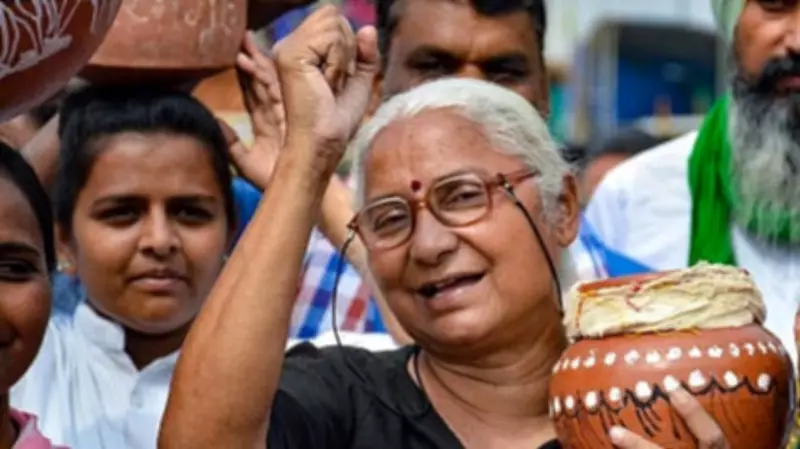
A Delhi court has delivered a significant verdict, acquitting Lieutenant Governor Vinai Kumar Saxena in a defamation case that dates back to the year 2000. The case was originally filed by prominent social activist and environmentalist Medha Patkar, marking the conclusion of a prolonged legal battle that spanned over two decades.
Background of the Legal Dispute
The origins of this case trace back to the early 2000s when Medha Patkar initiated legal proceedings against Saxena. The core of the dispute centered on advertisements that were published against Patkar and the Narmada Bachao Andolan, a social movement she led to protest the construction of large dams on the Narmada River. Patkar alleged that these advertisements contained defamatory content, damaging her reputation and that of the movement.
Over the years, the case saw numerous hearings and legal maneuvers, with both parties presenting their arguments. The Narmada Bachao Andolan has been a pivotal force in Indian environmental activism, advocating for the rights of displaced communities and sustainable development. This legal tussle highlighted the tensions between activist groups and public figures, reflecting broader societal debates on free speech and accountability.
Court's Decision and Implications
In its ruling, the Delhi court found insufficient evidence to convict Lieutenant Governor Saxena, leading to his acquittal. The judgment underscores the complexities involved in defamation cases, particularly those involving public figures and social activists. Legal experts suggest that this verdict may set a precedent for similar cases, emphasizing the need for clear proof of malicious intent in defamation claims.
The acquittal brings closure to a chapter that has lingered in the legal system for more than two decades. For Medha Patkar, this outcome marks the end of a long-standing pursuit for legal redress, while for Saxena, it clears his name in a matter that has been pending since his earlier career days. The case also sheds light on the enduring nature of legal disputes in India, where court proceedings can extend over many years, affecting all parties involved.
Reactions and Future Outlook
While official statements from both parties are awaited, this verdict is likely to spark discussions among legal circles and activist communities. It raises questions about the balance between protecting reputations and upholding freedom of expression, especially in contexts involving social movements and governance.
Looking ahead, this case may influence how defamation laws are interpreted and applied in India, particularly in scenarios involving public discourse and activism. As the legal landscape evolves, such rulings contribute to the ongoing dialogue on justice, accountability, and the rights of individuals in a democratic society.