

Delhi Court Denies Anticipatory Bail in LPG Black Marketing Case
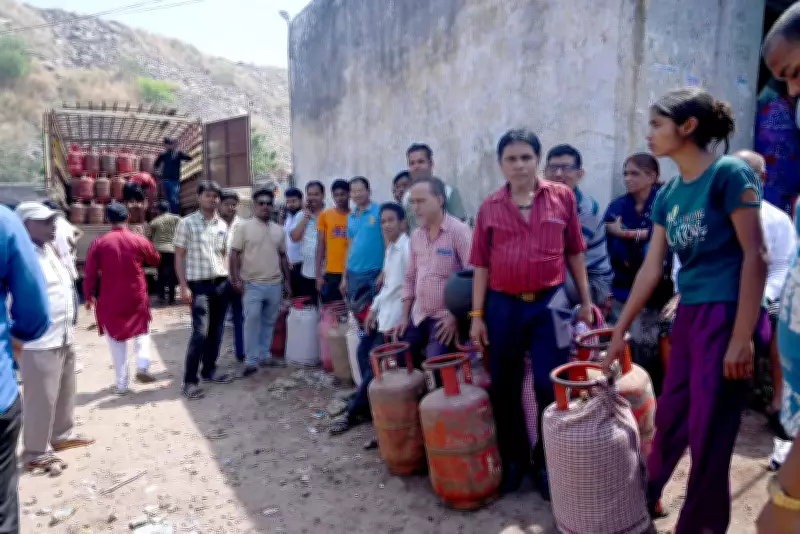
A Delhi court has recently refused to grant anticipatory bail to an individual accused of participating in the illegal procurement, transportation, and black marketing of LPG cylinders. The court emphasized that such activities have a detrimental effect on public distribution systems and overall safety. This ruling occurs against the backdrop of a worsening cooking gas crisis, which has been exacerbated by ongoing conflicts in West Asia.
Court's Observations on Economic Offences
Additional Sessions Judge Vinod Kumar Gautam delivered the order, stating that economic offences of this nature, especially during periods of rising prices for essential commodities, fundamentally undermine public welfare. The judge highlighted the severe implications of such crimes in times of economic strain.
Prosecution's Arguments Against Bail
The prosecution presented evidence that the accused, Mukesh Kumar from Jamia Nagar, was the primary conspirator and owner of the vehicle used for transporting the illegal cylinders. It was further argued that Kumar had avoided joining the investigation, fled the scene to escape arrest, and exploited the volatility in fuel prices and increased demand for personal gain.

Prosecutors contended that custodial interrogation was essential to uncover the full extent of the conspiracy, suggesting a larger network involved in these illegal activities. They opposed the bail plea by pointing to the serious economic and public safety consequences under section 7 of the Essential Commodities Act, noting that such acts aggravate the offence's gravity and directly impact the public.
Defence's Plea and Court's Rejection
The defence sought parity, arguing that a co-accused had already been granted bail by the trial court. However, the court rejected this argument, observing that the allegations against Kumar involved illegal procurement and black marketing of LPG cylinders, which prima facie indicate an organized activity with wider ramifications on public safety and the distribution system.
The court noted that Kumar's role was distinct and more serious, as he was identified as the vehicle owner and a key part of the alleged conspiracy. Given that the accused was evading investigation, the court stressed the necessity of custodial interrogation to reveal the complete chain of events and analyze electronic evidence, including call records.
Impact on Public Distribution and Safety
This case underscores the critical issues surrounding the illegal trade of essential commodities like LPG cylinders. The court's decision reflects a firm stance against activities that threaten public distribution networks and safety, particularly during times of crisis. The ruling aims to deter similar offences and ensure accountability in the face of growing economic challenges.






