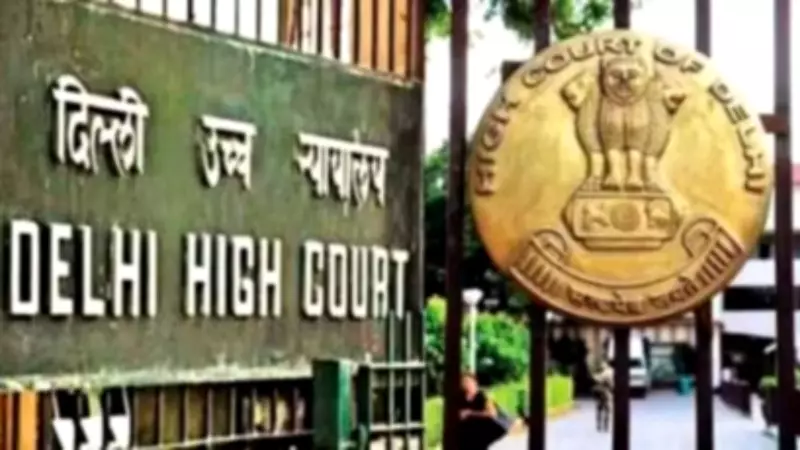
Delhi High Court Seeks DGCA's Response on Revised Pilot Rest Norms, Emphasizes Passenger Safety Link
The Delhi High Court has directed the Directorate General of Civil Aviation (DGCA) to provide its response regarding revised Flight Duty Time Limitations (FDTL) norms that have relaxed weekly rest requirements for pilots. During a hearing on Wednesday, the court emphasized that these regulations have a direct connection to passenger safety and cannot be dismissed lightly.
Public Interest Litigation Challenges "Illegal Dilution" of Fatigue Norms
A Public Interest Litigation (PIL) filed by former aircraft engineer Sabari Roy Lenka, crew resource management trainer Aman Monga, and social worker Kiran Singh has raised serious concerns about what they term the "illegal dilution of fatigue norms" for airline pilots. The petitioners specifically object to the relaxation of weekly rest clauses implemented through a DGCA order dated December 5, 2025.
This regulatory relaxation followed widespread flight cancellations and operational disruptions at IndiGo, which created significant chaos within India's aviation sector. The petitioners argue that these changes have substantially increased accident risks and pilot fatigue exposure, creating potentially dangerous conditions for air travel.

Court Rejects Immediate Dismissal, Questions DGCA's Rationale
While hearing the case, a bench comprising Chief Justice DK Upadhyaya and Justice Tejas Karia addressed objections raised by IndiGo's legal counsel regarding the petition's maintainability. Senior Advocate Sandeep Sethi, representing IndiGo, questioned the petitioners' standing in the matter, noting that none were currently working pilots.
However, Chief Justice Upadhyaya responded firmly, stating: "We cannot straightaway rule out his standing. Petitioner 1 has been an aircraft engineer. The regulator has prescribed a certain period of rest for the pilots. This has a direct link to passenger safety. So, the concern cannot be ruled out altogether."
The Chief Justice further observed: "If the regulator has provided some regulations, unless they are challenged or there is an inherent flaw, it needs to enforce them. The new regulations are not being practically followed... So concerns expressed in the petition cannot be brushed aside."
Broader Objections Beyond Rest Norms
The petitioners have raised additional objections regarding airline marketing practices, specifically targeting IndiGo and other carriers that describe themselves as "low cost airlines." They argue there is no statutory recognition for such terminology under existing laws and regulations.
In their petition, they seek:
- Quashing of the DGCA's December 2025 order
- Immediate restraint on all scheduled Indian airlines from describing, projecting, or advertising themselves as "low cost airlines" on websites, booking portals, and other platforms
Background: The Revised FDTL Norms and Their Impact
The new Flight Duty Time Limitations rules were implemented in two phases specifically designed to better manage pilot fatigue, recognized as a key risk factor in aviation safety. Significant changes included:
- Increasing weekly rest periods for pilots from 36 to 48 hours
- Limiting night landings to two instead of the previous six
Night-duty-related modifications took effect on November 1, 2025, and immediately began affecting IndiGo's operations, since the airline operates numerous nighttime flights and relies heavily on high utilization rates for both aircraft and crew.
The exemptions granted to IndiGo include:
- Redefining "night" as midnight to 5 am instead of midnight to 6 am as prescribed in the new FDTL rules
- Allowing IndiGo pilots flying during these hours to perform up to six landings, whereas the new norms capped night landings at just two
The court has asked DGCA to take instructions on these matters and report back, acknowledging that while there may be rationale for temporarily putting norms in abeyance, public safety concerns expressed in the petition warrant serious consideration.