

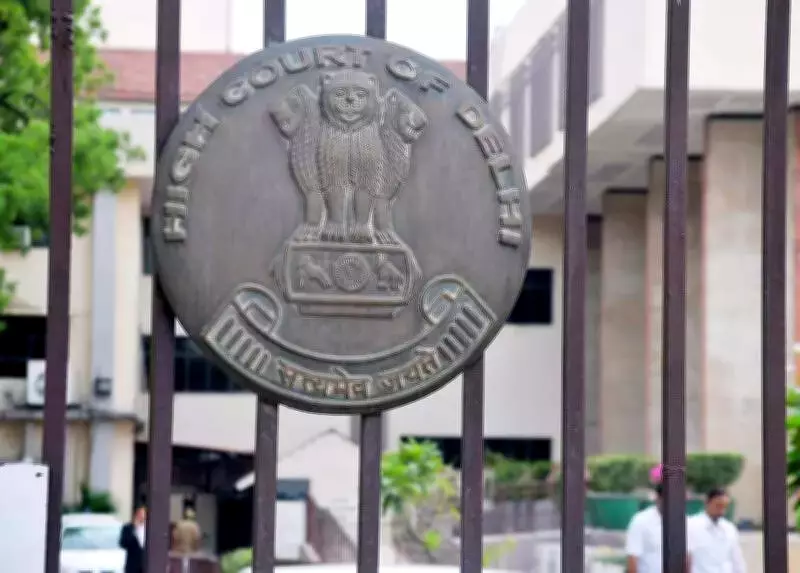
Delhi High Court Scrutinizes Tree Removal Protocols in Wake of Thunderstorm Hazards
The Delhi High Court has raised critical questions regarding the necessity of obtaining official permission for the removal of trees that have been uprooted during thunderstorms or for branches that pose imminent danger to public safety. This inquiry emerged during a hearing on Wednesday, where the court directed the forest department to clarify its stance on this pressing issue.
Public Interest Litigation Highlights Alleged Violations
The court's intervention was prompted by a public interest litigation (PIL) that alleged a breach of a 2023 judicial ruling. This ruling explicitly mandated that no pruning or removal of branches, regardless of their size, could be conducted without prior authorization from the designated tree authority or officer. The PIL contended that the standard operating procedure (SOP) established by the city's forest department in the previous year has inadvertently facilitated indiscriminate tree felling, thereby undermining environmental protections.
Judicial Bench Examines SOP Clause and Public Safety Concerns
A bench presided over by Chief Justice DK Upadhyaya and Justice Tejas Karia delved into the specifics of the SOP, particularly clause 2, which addresses tree pruning under the Delhi Protection of Trees Act. The bench noted that, according to the existing rules, permission from the tree officer is not required for light pruning or general maintenance activities involving branches of a specified girth.

When the petitioner argued that this clause is inconsistent with both the DPT Act and the 2023 high court verdict, the bench offered a nuanced perspective. It highlighted potential rationales for the clause's inclusion, emphasizing real-world scenarios where immediate action might be necessary to avert public harm.
The bench articulated, "Consider a situation where a thunderstorm causes a tree to fall. Wouldn't that create a hazardous condition for the public? In such emergencies, should we still insist on waiting for permission from the tree officer? We are acutely aware of the daily accidents resulting from dangerously hanging branches."
Broader Implications for Environmental Governance and Urban Safety
This judicial scrutiny underscores a delicate balance between regulatory compliance and pragmatic public safety measures. The court's questions reflect a growing concern over how bureaucratic procedures might impede timely responses to natural disasters and urban hazards. By seeking clarification from the forest department, the high court aims to ensure that environmental laws are applied judiciously without compromising citizen welfare.
The outcome of this case could have significant ramifications for urban forestry management in Delhi, potentially leading to revised guidelines that better align legal mandates with emergency preparedness. As the forest department prepares its response, stakeholders await further developments that may reshape tree conservation efforts in the capital.






