

Delhi High Court Chief Justice Upholds Roster System, Denies Kejriwal's Transfer Plea
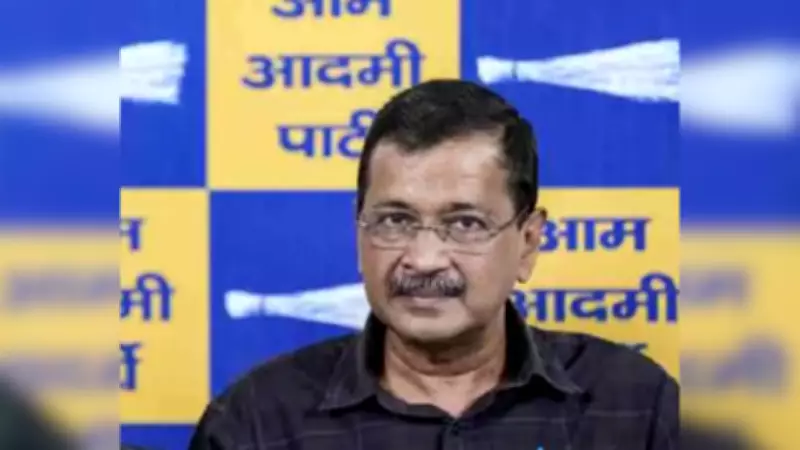
In a significant development, Chief Justice of the Delhi High Court, DK Upadhyay, has formally declined a request made by former Delhi Chief Minister and Aam Aadmi Party (AAP) national convenor Arvind Kejriwal to transfer the Central Bureau of Investigation's (CBI) appeal in the excise policy case from Justice Swarana Kanta Sharma to another bench. The decision was based on the court's established roster system for allocating cases to judges.
Administrative Response Cites No Grounds for Transfer
In a communication issued to Kejriwal and other parties who submitted a representation on the administrative side, Chief Justice Upadhyay emphasized that the matter had been assigned to Justice Sharma in accordance with the current roster. He stated, "The petition is assigned to the Hon'ble judge as per the current roster. Any call of recusal has to be taken by the Hon'ble judge. I, however, do not find any reason to transfer the petition by passing an order on the administrative side." This response underscores the judiciary's adherence to procedural norms and the principle that recusal decisions rest with the individual judge hearing the case.
Kejriwal Escalates Matter to Supreme Court
Following this rejection, AAP functionaries confirmed that Arvind Kejriwal has now approached the Supreme Court with a transfer petition. The CBI's appeal is scheduled for hearing before Justice Sharma on Monday, adding urgency to the legal proceedings. This move highlights the ongoing legal battle surrounding the excise policy case, which has seen multiple twists and turns.

Background of the Excise Policy Case and Legal Challenges
The controversy stems from a Delhi court's order on February 27, which discharged Kejriwal, former Deputy Chief Minister Manish Sisodia, and 21 other accused in the excise policy case at the stage of framing charges. The court, in a nearly 600-page order, questioned the evidence presented by the CBI and rejected allegations of an "overarching conspiracy" or "criminal intent" in framing the policy. It also recommended departmental proceedings against the investigating officer.
In response, the CBI appealed to the Delhi High Court, labeling the trial court's order as "illegal on the face of it" and accusing it of conducting a "mini-trial" while disregarding a "duly established" conspiracy. The High Court subsequently stayed the trial court's observations against the investigating officer and issued notices to Kejriwal, Sisodia, and the other accused. However, no stay was granted on the discharge order itself, with the court noting that certain findings appeared erroneous and warranted consideration.
Kejriwal's Representation and Allegations of Bias
On March 11, Kejriwal, Sisodia, and some other accused submitted a representation to Chief Justice Upadhyay, seeking the transfer of the CBI's plea from Justice Sharma to another "impartial" judge. The representation claimed that the undersigned had "grave, bona fide, and reasonable apprehension" that the hearing would not be impartial and neutral. It further alleged that Justice Sharma had not provided any relief to the accused in past proceedings and had commented on the merits of the case, raising concerns about fairness.
Parallel Legal Challenge by Manish Sisodia
In a related development, former Deputy CM Manish Sisodia has challenged the notice issued to him by the Delhi High Court in the CBI appeal. This adds another layer to the complex legal landscape, as multiple defendants seek to navigate the judicial process amidst allegations and counter-allegations.
The case continues to unfold, with the Delhi High Court's adherence to roster-based allocation now facing scrutiny in the Supreme Court. The outcome could have implications for judicial procedures and high-profile political cases in India.






