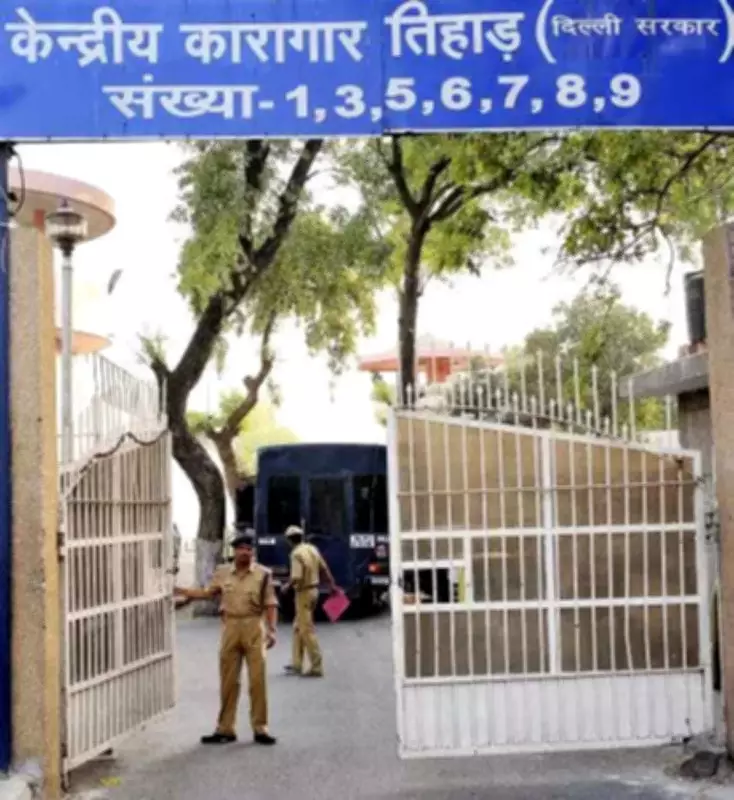
Delhi High Court Issues Contempt Notices Over Undertrial's Death in Judicial Custody
The Delhi High Court has taken decisive action in a tragic case involving the death of an undertrial prisoner. On Wednesday, Justice Anup J Bhambhani issued contempt notices to the Delhi Police commissioner and the Tihar Jail authorities following the death of Asham Sayed, who passed away while receiving treatment at RML Hospital on February 10.
Court Orders Immediate Action and Seals Medical Records
In a strongly worded order, Justice Bhambhani directed all concerned authorities to immediately provide all necessary approvals and documents to ensure the expeditious conduct of Sayed's postmortem. This directive came after it was revealed that the hospital had been unable to perform the procedure due to missing documentation from jail authorities.
The court further ordered the medical superintendent of RML Hospital to seal and forward all medical records related to Sayed's admission and treatment, including CCTV footage, to the court registry within three days. This includes all documents pertaining to his hospital stay and medical care.

Allegations of Negligence and Disobedience of Court Orders
The contempt plea, filed by Sayed's wife through advocate Naushad Ahmed, alleges willful breach and disobedience of the High Court's February 9 order. According to the petition, the court had specifically permitted Sayed's family to meet him at RML Hospital and consult with his attending doctors to assist with his precarious medical condition.
Despite receiving the order copy around 7 PM on February 9 and immediately serving it upon prison and police authorities, the family claims they were only allowed a brief, videographed meeting of about five minutes while Sayed struggled in pain. They were reportedly asked to follow regular jail visitation procedures instead of receiving the access the court had ordered.
Critical Medical Intervention Delayed
The petition makes serious allegations about the circumstances leading to Sayed's death. According to the family's account:
- Treating doctors advised that Sayed needed immediate surgical intervention
- The surgery required consent from family members
- Family members were denied access to attending doctors
- Due to this lack of access, doctors could not perform the surgery in time
- Sayed passed away around 3 AM on February 10
Court Directs Comprehensive Response from Authorities
Justice Bhambhani has issued notices to multiple respondents, including:
- The Delhi Police commissioner
- The investigating officer in the case
- The Deputy Inspector General of Tihar Jail
- The superintendent of Tihar Jail
The court has directed all respondents to file individual replies or counter-affidavits within one week. Additionally, the jail superintendent has been ordered to make all medical records available to Sayed's wife, while the medical superintendent must submit a copy of the postmortem report to the court.
Broader Implications for Judicial Custody Procedures
This case raises significant questions about the treatment of undertrial prisoners and the implementation of court orders in medical emergencies. The High Court's intervention highlights concerns about:
- Medical care accessibility for prisoners in judicial custody
- Compliance with court directives by law enforcement and prison authorities
- Documentation and procedural requirements in medical emergencies
- Family access rights during medical crises involving prisoners
The next hearing in this contempt case is scheduled for February 24, where the court will examine the responses from all parties involved and determine the appropriate course of action regarding the alleged disobedience of its orders.