Delhi HC Rules 'Mere Custody' of Ammunition Not an Offence
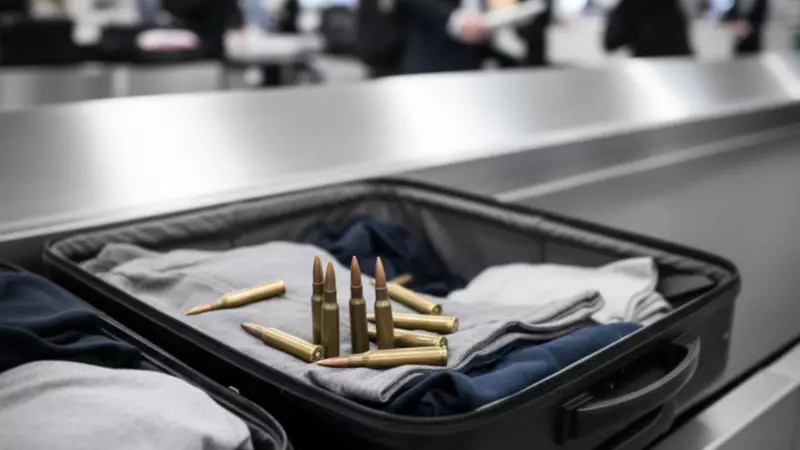
In a significant legal ruling, the Delhi High Court has quashed a criminal case against a US citizen and Army employee who was found carrying ammunition at the Indira Gandhi International Airport. The court emphasized that 'mere custody' without conscious awareness does not constitute an offence under the Arms Act 1959.
The judgment came in response to a petition filed by Harmanjeet Singh, who works for the United States Army and holds American citizenship. The case dates back to February 22 when airport security personnel discovered 9 rounds of live ammunition in Singh's checked baggage during routine security screening.
The Legal Principle of 'Conscious Possession'
Justice Ravinder Dudeja, while delivering the verdict, made a crucial distinction between mere custody and conscious possession. The court observed that "mere custody, without being aware of such possession does not constitute an offence under the Arms Act."

The bench further reasoned that "If he were to consciously carry the cartridges, he would have carried the weapon along as well," highlighting the absence of any firearm with the ammunition as evidence supporting the lack of criminal intent.
Background and Arguments Presented
According to court documents, Singh had visited India in February to attend his cousin's marriage ceremony in Patiala. While returning to New York on February 22, the ammunition was discovered during security checks at IGI airport.
Singh's legal representative, Advocate Aamir Chaudhary, presented several key arguments before the court:
- Singh was carrying extra luggage belonging to his father who had forgotten to remove the live cartridges
- The ammunition was recovered without any accompanying firearm
- His client had neither conscious possession of the ammunition nor any intention to carry it
- Singh's father possessed a valid arms license and had purchased the cartridges legally from a registered dealer
The state authorities confirmed that the ammunition was indeed licensed to Singh's father, with all paperwork verified and the purchase made lawfully from an authorized dealer.
The court accepted that the presence of cartridges in the baggage was purely inadvertent and due to oversight, without any malafide intent or knowledge on Singh's part.
Legal Implications and Section 25 of Arms Act
The FIR had been registered against Singh under Section 25 of the Arms Act 1959, which provides punishment for manufacturing, selling, or possessing arms and ammunition in contravention of the Act.
This ruling establishes an important legal precedent regarding the interpretation of 'possession' under the Arms Act. The court's emphasis on conscious knowledge and intent as essential elements of the offence provides clearer guidelines for future cases involving similar circumstances.
The judgment reinforces the principle that criminal liability requires not just physical control over prohibited items but also mental awareness of such possession, thereby protecting individuals from prosecution in cases of genuine oversight or lack of knowledge.