Delhi High Court Rejects Anticipatory Bail Plea in Child Exploitation Case
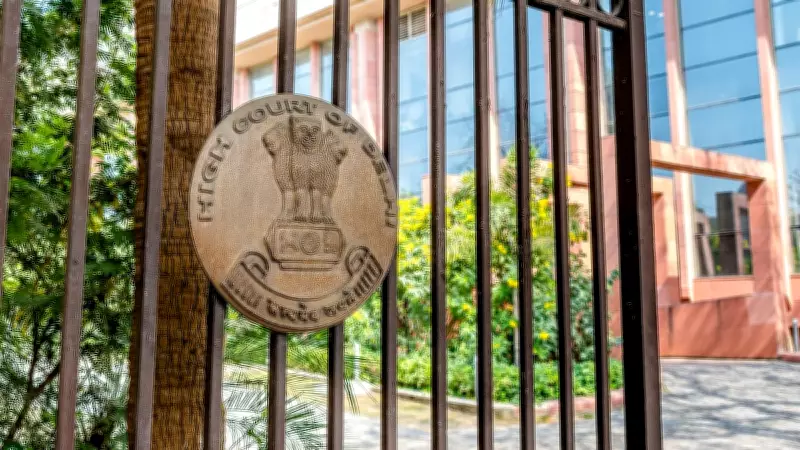
The Delhi High Court has firmly denied a woman's application for anticipatory bail in a case involving a child exploitation racket, emphasizing that granting such relief would send 'very wrong signals' to society. The court highlighted the alarming rise in crimes exploiting children, underscoring the need for stringent legal measures to combat this grave issue.
State's Opposition and Investigation Findings
In its ruling, the court noted the State's strong opposition to the plea. Prosecutors submitted that the ongoing investigation has revealed the applicant's active involvement in the criminal racket. Evidence indicates she allegedly received monetary gains from these illegal activities, which exploit vulnerable children. The State argued that granting bail could hinder the investigation and potentially allow the accused to tamper with evidence or influence witnesses.
Judicial Reasoning on Rising Child Exploitation
The bench expressed deep concern over the increasing instances of child exploitation in criminal enterprises. By rejecting the bail plea, the court aimed to send a clear message that such offenses will not be treated lightly. The judges stressed that anticipatory bail in such sensitive cases could undermine public confidence in the justice system and embolden perpetrators, thereby exacerbating the problem.

Key Points from the Court's Decision:
- The court found the applicant's involvement in the racket to be substantiated by investigative reports.
- It cited the receipt of illicit funds as a critical factor in denying bail.
- The ruling underscores the judiciary's commitment to protecting children from exploitation.
Broader Implications for Crime Prevention
This decision is seen as a significant step in addressing the surge in child exploitation crimes. Legal experts suggest it may set a precedent for similar cases, encouraging stricter bail conditions in matters involving vulnerable victims. The court's stance reflects a growing judicial awareness of the need to prioritize child safety and ensure that legal processes do not inadvertently facilitate criminal activities.
The case continues to be under investigation, with authorities working to dismantle the racket and bring all involved parties to justice. The Delhi High Court's ruling is expected to influence future legal proceedings in child exploitation cases across India.