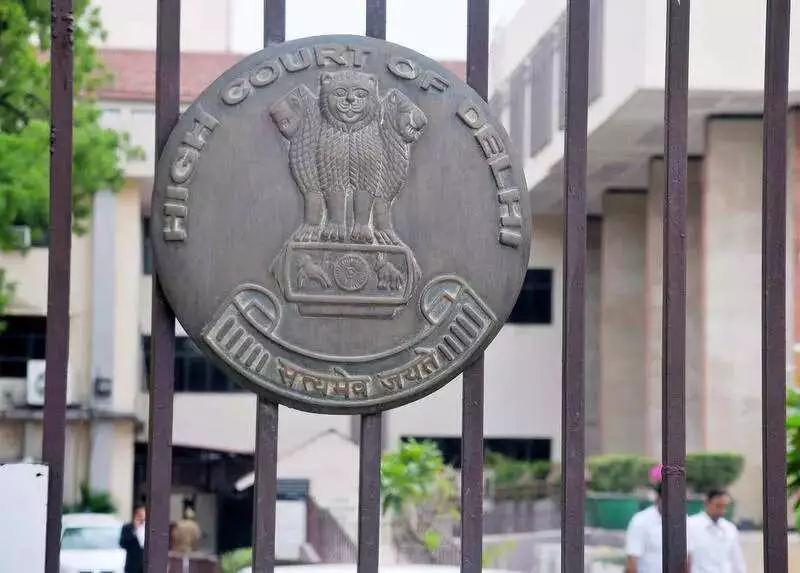
The Delhi High Court has firmly rejected a petition filed by an alleged gangster, who claimed that police officials forced him to sign documents, including a confession, while he was in judicial custody. The court found no merit in the allegations, siding with the prosecution's argument that the accused had signed the papers willingly.
Details of the Court Hearing and Accused's Allegations
The court was hearing a plea moved by Saleem Ahmed, an accused under the stringent Maharashtra Control of Organised Crime Act (MCOCA). Ahmed is linked to a case involving gangster Hashim Baba and is alleged to be part of an organised crime syndicate. He was arrested on November 4 in connection with an FIR registered in 2024.
In his plea, Ahmed, who remains in judicial custody, contended that jail authorities improperly accessed his cell without following due process. He alleged that he was coerced into signing blank and partially prepared documents. His counsel argued that this created a reasonable apprehension that these documents would be used to fabricate a confession under Section 18 of MCOCA, thereby violating the statutory requirement for a voluntary and coercion-free atmosphere as per Section 18(6).

Prosecution's Argument and Court's Decision
The prosecution successfully opposed the plea by highlighting that a trial court had already examined and discarded Ahmed's contention. It was established that he had signed the documents willingly, and this process was legally recorded. The High Court, after considering these submissions, declined to grant any relief to the accused.
It is noteworthy that while a supplementary chargesheet against Ahmed is still pending, he did not challenge the legality of his arrest or remand in this particular petition. The court's dismissal reinforces the trial court's earlier finding and underscores the legal recordings of the signing event.
Implications of the Ruling
This ruling by the Delhi High Court signifies a setback for the accused's attempt to question the evidence collection process. It upholds the procedure followed by the investigating agencies in this MCOCA case. The decision also reiterates the judiciary's role in examining claims of coercion, ensuring that statutory safeguards are not misused to derail legal proceedings against those accused under serious organised crime laws.