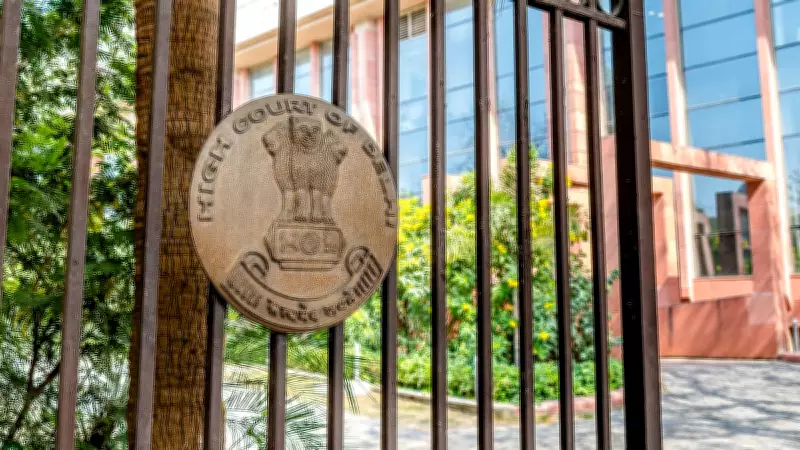
Delhi High Court Seeks CBI's Stand on Convict Jaideep Sengar's Bail Extension Plea
The Delhi High Court has formally requested the Central Bureau of Investigation (CBI) to submit its position regarding a bail extension plea filed by Jaideep Sengar, the former BJP legislator convicted in the highly publicized Unnao rape case. This development comes as Sengar's legal team argues for an extension of his interim bail, which is set to expire on February 11, 2026, citing his severe medical condition.
Background of the Case and Sengar's Conviction
Jaideep Sengar was found guilty and sentenced to a 10-year prison term by a trial court for his involvement in the rape of a minor girl from Unnao, Uttar Pradesh, in 2017. The case garnered national attention not only due to the heinous nature of the crime but also because of the subsequent tragic death of the survivor's father in police custody, which sparked widespread outrage and calls for justice. Sengar's conviction was seen as a significant milestone in the fight against sexual violence and political impunity in India.
Medical Grounds Cited for Bail Extension
In the recent hearing, Sengar's counsel presented a compelling argument for the extension of his interim bail, emphasizing that the petitioner is suffering from oral cancer. The legal team highlighted that his current interim bail is scheduled to lapse on February 11, 2026, and without an extension, Sengar would be required to return to prison despite his critical health condition. The counsel stressed that ongoing medical treatment and care are essential for his survival, making a strong case for humanitarian considerations.

Court's Directive and Next Steps
The Delhi High Court, after hearing the submissions, has directed the CBI to file its response to Sengar's plea. This move indicates the court's careful approach in balancing legal procedures with the convict's health concerns. The CBI, which investigated the Unnao case, is expected to provide its stance on whether Sengar should be granted an extended bail period or if he must serve the remainder of his sentence in custody. The court's decision will likely set a precedent for handling similar cases involving convicts with serious medical issues.
Implications and Public Reaction
This case continues to resonate deeply with the public, given its connection to the broader issues of women's safety and judicial accountability in India. The Unnao rape survivor and her family have endured immense trauma, and any developments in Sengar's legal battles are closely monitored. While some advocate for strict enforcement of his sentence, others argue for compassion due to his health. The Delhi High Court's eventual ruling will be pivotal in addressing these competing perspectives and upholding the principles of justice.
As the legal proceedings unfold, stakeholders await the CBI's response and the court's final decision, which could have lasting impacts on how the Indian judiciary handles bail pleas in cases involving severe medical conditions.