Delhi High Court Demands Explanation for Vacant Women's Commission Posts
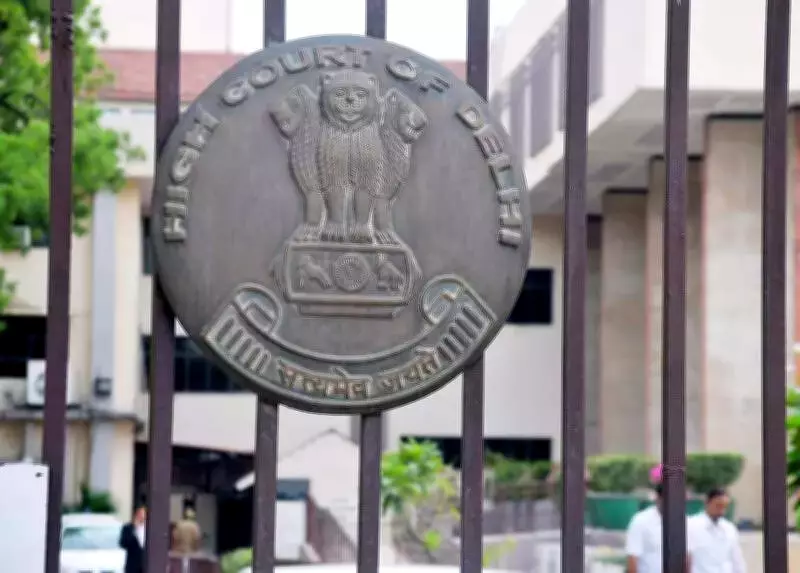
The Delhi High Court has issued a stern directive to the Delhi government, demanding an explanation for the prolonged vacancies in the Delhi Commission for Women (DCW). On Wednesday, a bench comprising Chief Justice DK Upadhyaya and Justice Tejas Karia highlighted the critical functions of the commission and questioned why the posts of chairperson and members have remained unfilled for two years.
Court's Observations on DCW's Importance
During the hearing of a public interest litigation (PIL) filed by Buxar MP Sudhakar Singh, the court emphasized that the DCW performs essential functions for women's welfare under the Delhi Commission for Women Act, 1994. The bench stated, "In view of the functions assigned to the commission under section 10 of the Act, there cannot be any reason whatsoever for not filling up the vacancies in the office of the chairperson and members and for not providing adequate staff to DCW." The court asked the government's counsel to provide details on steps taken to address these vacancies and ensure the commission's functionality.
PIL Highlights Non-Functioning of DCW
The PIL, which seeks a time-bound filling of the vacancies, claims that the DCW has been "closed" since January 2024, with no members or staff in place. It argues that this paralysis has disrupted statutory programs and mechanisms, including:
- Sahyogini Family Counselling Unit
- Helpdesk services
- Rape Crisis Cell
- Crisis Intervention Centres
- Mobile helpline
- Mahila Panchayat programme
- Women helpline 181
This disruption, according to the plea, has led to a cascading failure of the protective framework designed for women in distress.
Crime Data Underscores Urgency
The petition underscores the urgency of the situation by citing official crime data. According to the National Crime Records Bureau's Crime in India 2023 report, released in September 2025, Delhi recorded over 13,000 crimes against women in 2023, the highest among metropolitan cities. This includes more than 1,000 rape cases. The plea contends that in a city facing such high levels of gender-based violence, the paralysis of the DCW aggravates vulnerability and denies women access to justice.
Constitutional Violations Alleged
Furthermore, the petition argues that the non-functioning of the DCW violates Articles 14, 15(3), and 21 of the Constitution. It claims this undermines special measures for women's protection and denies them an effective, accessible grievance redressal mechanism. The petitioner noted the irony that despite having a woman chief minister, the commission remains non-functional while crimes against women continue.
In response, the Delhi government counsel stated that he needed to verify the claims made in the PIL. The court has adjourned the matter for further hearing, emphasizing the need for immediate action to restore the DCW's operations and safeguard women's rights in the capital.